Blog

We Are What Remains brings !Xun and Khwe linocuts into an immersive new exhibition at !Khwa ttu

An immersive exhibition honouring !Xun and Khwe memory

Yzerfontein, South Africa: What happens when a collection of linocuts, created by artists from communities displaced by war, is reimagined through animation, projection and sound? Audiences can experience this at We Are What Remains, an immersive digital art exhibition opening at !Khwa ttu San Culture & Education Centre in Yzerfontein, on the West Coast of South Africa, on 31 October 2026 - October 2027.

Visitors will be able to explore an immersive installation combining projected imagery, animation, spatial audio and sculptural elements. They will encounter linocut figures brought into motion through light, animations unfolding across surfaces, and optical illusions that create the impression of images suspended in space. Together, these elements offer new ways to engage with the artworks and the histories, memories and San cosmologies they reflect. We Are What Remains honours not only what has been lost, but also what has survived.
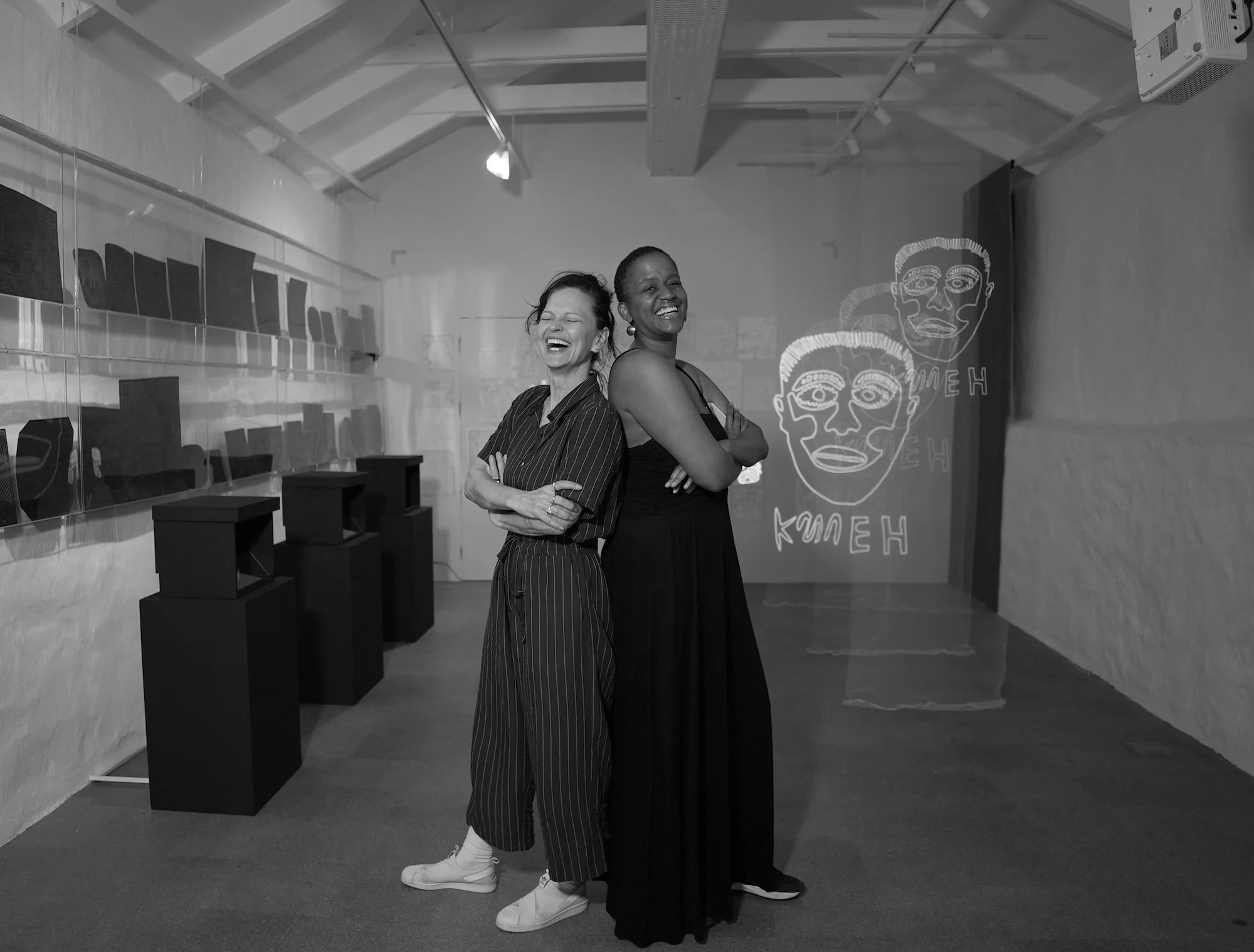
Inka Kendzia and Faye Kabali-Kagwa

At the heart of the exhibition is a collection of linocuts, prints made by carving designs into linoleum and transferring them onto paper, created by !Xun and Khwe artists during the 1990s and 2000s. The artworks emerged from a little-known chapter in southern African history. Following Namibia's independence in 1990, !Xun and Khwe communities, including former members of the South African Defence Force's 31 Battalion and their families, were relocated to Schmidtsdrift in South Africa. Originally from northern Namibia and southern Angola, the two distinct communities were brought together through displacement. The exhibition offers an opportunity to revisit this history through the artists' own perspectives, giving renewed visibility to their experiences, memories and cultural knowledge.

In 1993, an arts project initiated by Catharina Scheepers provided a space for !Xun and Khwe men and women living in Schmidtsdrift to create linocut prints. Working in makeshift spaces, the artists produced images reflecting experiences of war, displacement, community and longing for home, with each developing an individual style. Today, !Khwa ttu holds 600 original linocuts from the project, preserving an important visual record of the communities' histories and cultural knowledge.

“The significance of the linocuts lies in their ability to preserve and transmit cultural memory, inherited knowledge, oral tradition, identity, and resilience,” says Magdalena Lukas, Museum Curator at !Khwa ttu. “They are living archives of San worldviews, sustained through artistic practice rather than written record. For the !Xun and Khwe artists, the linocuts are a vital means of safeguarding endangered cultural knowledge and asserting continuity in the face of profound historical disruption.”
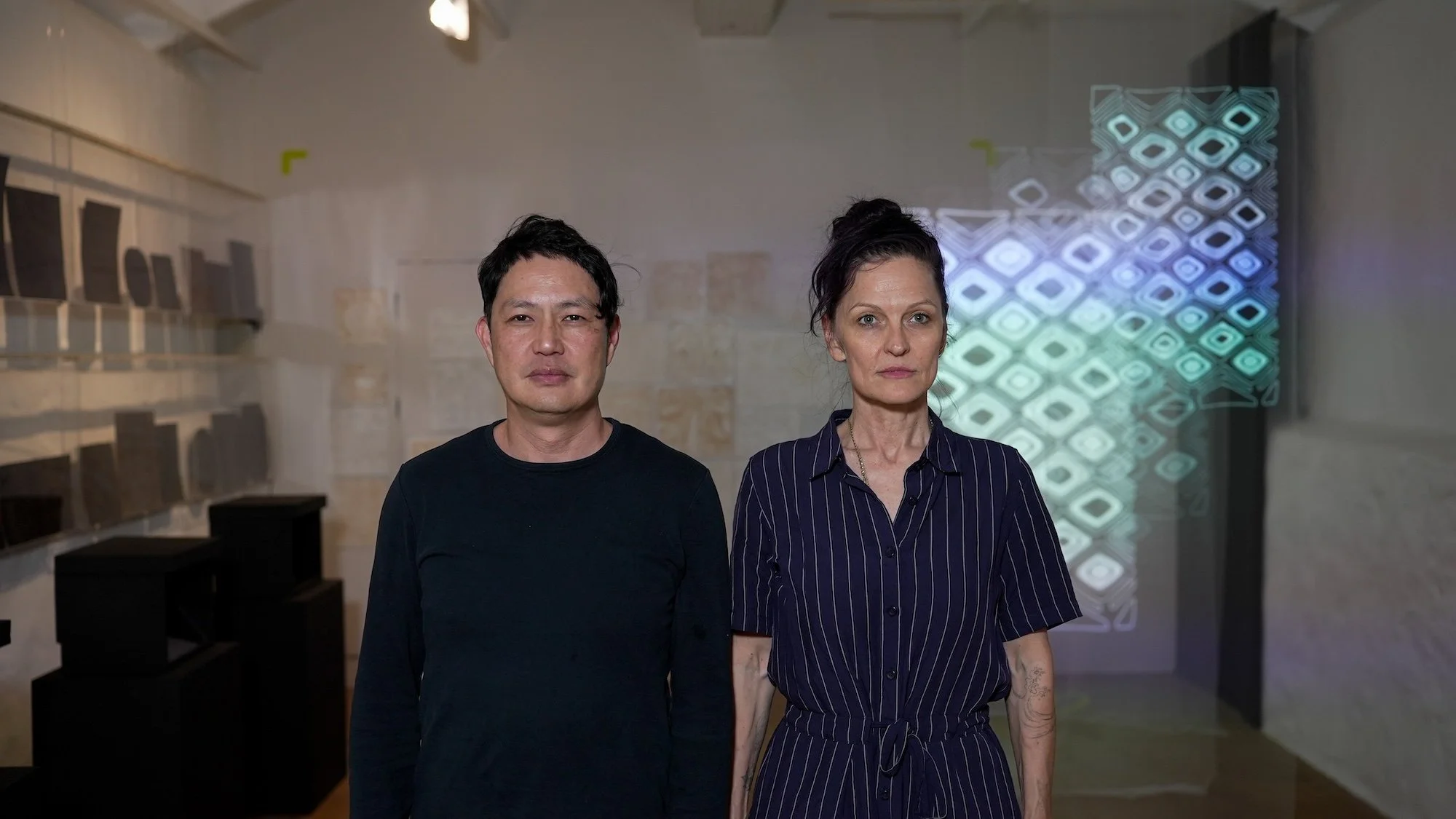
Mr Sakitumi and Inka Kendzia

For the original artists, the linocuts also represent a connection between generations and a way of passing on cultural knowledge. “We learned from our parents, and they learned from their parents, and we want our children to learn from us. Our forefathers created art and we are guided by our ancestors to create this art,” says Luhepu Kaheke, one of the original San linocut artists.

Developed by Open Draft, a South African creative company specialising in cultural curation and immersive design, in collaboration with !Khwa ttu and seven of the original artists, We Are What Remains combines the original linocuts with immersive technologies. The creative process has centred on the artists' experiences and individual forms of expression, exploring how their works can be interpreted in a new medium while remaining rooted in the original artworks. 

“Light, sound and movement bring the artworks to life through immersion and projection mapping,” explains Inka Kendzia, Co-Director and Creative Technologist at Open Draft. “We wanted the artists' own voices to come through,” adds Faye Kabali-Kagwa, Producer and Co-Director at Open Draft. “All the artists have shared experiences, but the creative expression is unique and particular to each artist.”
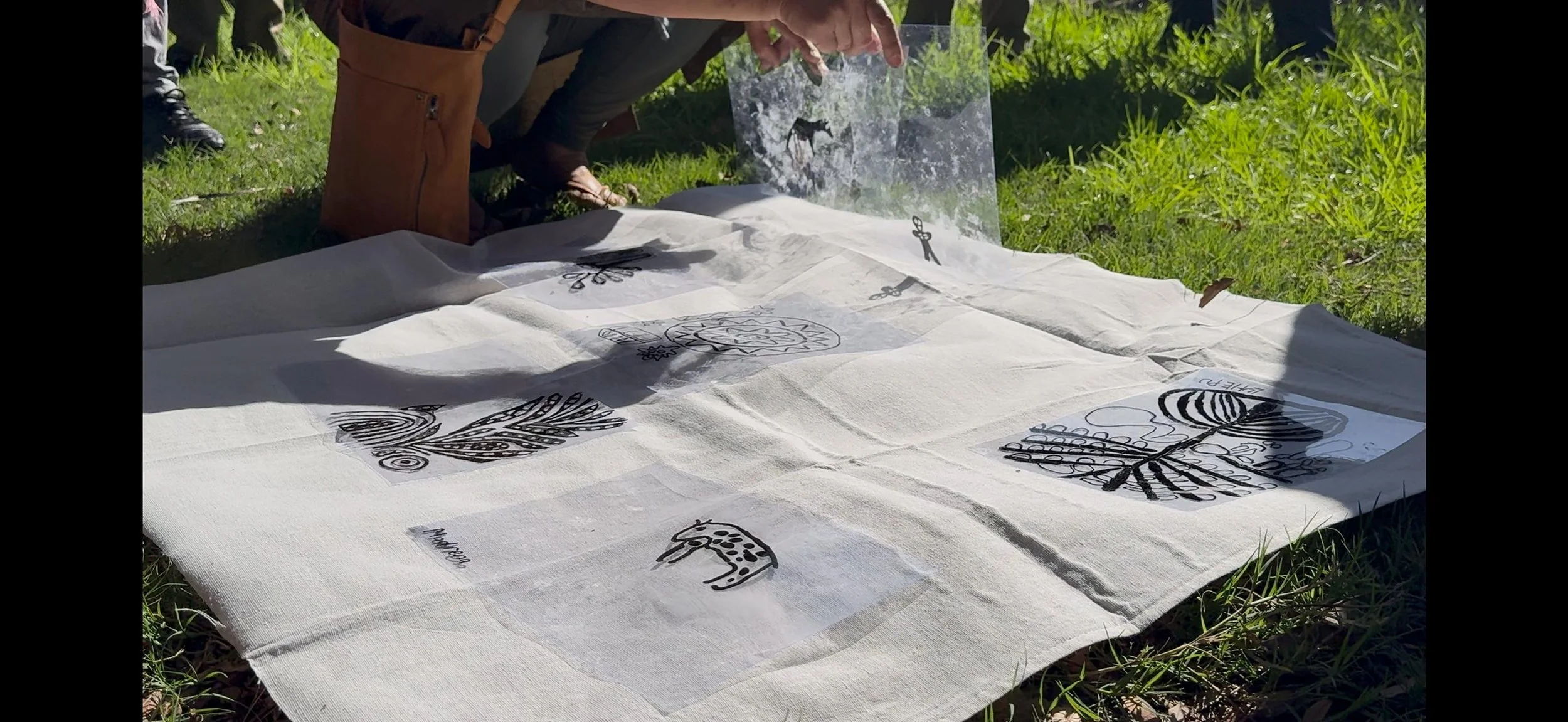
Shadow play with figures drawn on acetate

We Are What Remains is the third of six exhibitions developed through Futures_Past: Amplifying Memory with Immersive Technologies, an initiative of the Embassy of France in South Africa, Lesotho and Malawi and the French Institute of South Africa (IFAS), in partnership with Electric South and funded by the French Ministry for Europe and Foreign Affairs. The programme brings together creative teams and archives across the three countries to co-create immersive works that offer new ways for audiences to engage with historical collections.

“At !Khwa ttu, the linocuts are not simply objects to be preserved. They are living testimony,” says Sofia Saa, Regional Head of New Media, Film and Television at IFAS. “By working alongside the artists and the community, this project shows how immersive tools can help audiences step into history with care and respect, and feel why these stories still matter today.”

Event details

We Are What Remains – Immersive exhibition

Exhibition dates: 31 October 2026 – October 2027

Venue: !Khwa ttu San Culture & Education Centre, R27, Yzerfontein, Western Cape, South Africa

Entry to the museum: R130
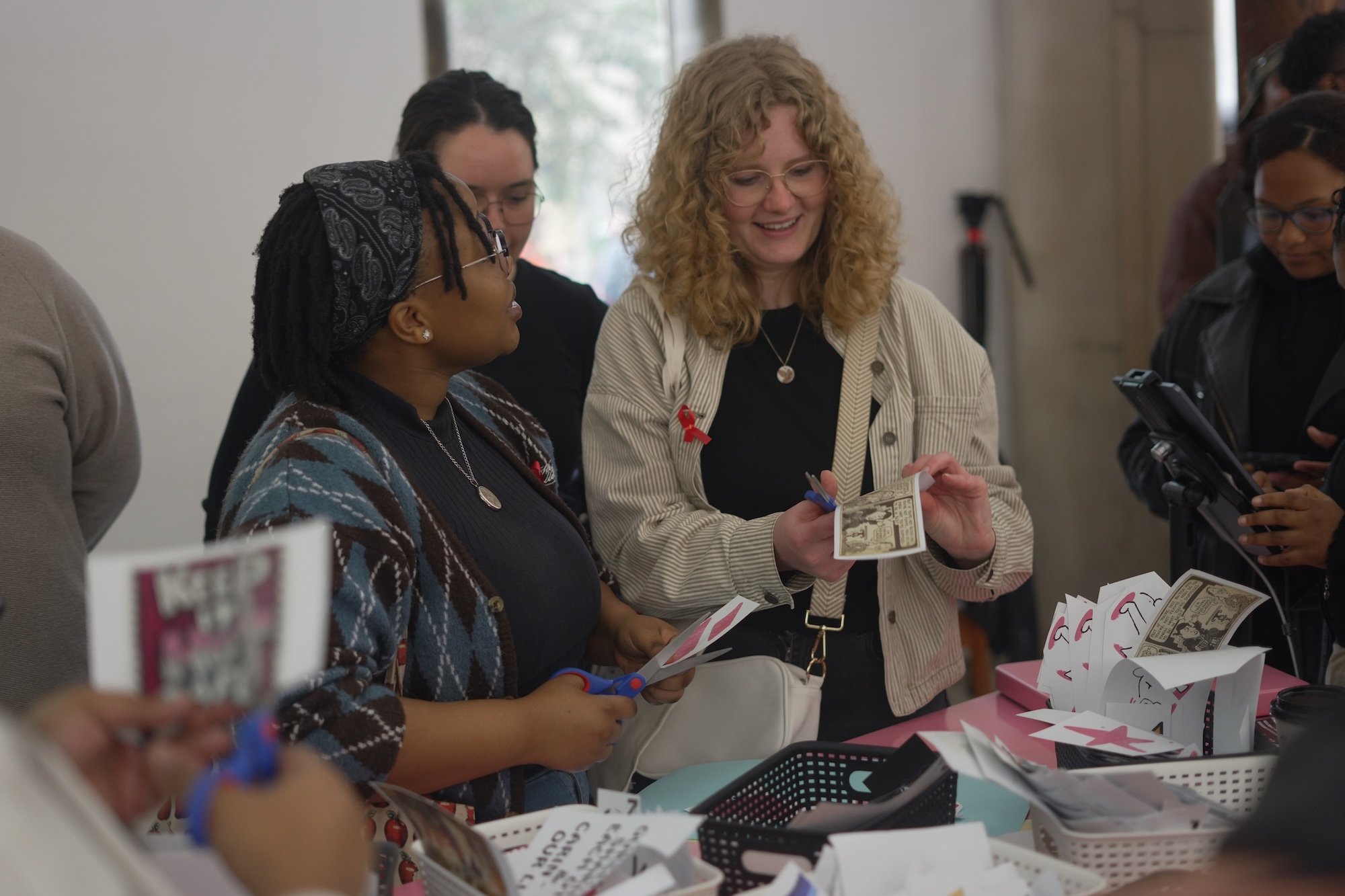
CAMP x GALA Queer Archive Host Protest Poster Making Workshop Inside Immersive Exhibition Acts of Care

Johannesburg: This Pride Month, audiences are invited to do more than look at history, by joining in a workshop to add their voices to the Acts of Care exhibition’s living poster wall. 

CAMP (Community Art Mobilisation Project) in collaboration with GALA Queer Archive, will host a Protest Poster Making Workshop inside Acts of Care, the immersive exhibition currently running at Latitudes Centre for the Arts (LCA) in Johannesburg.

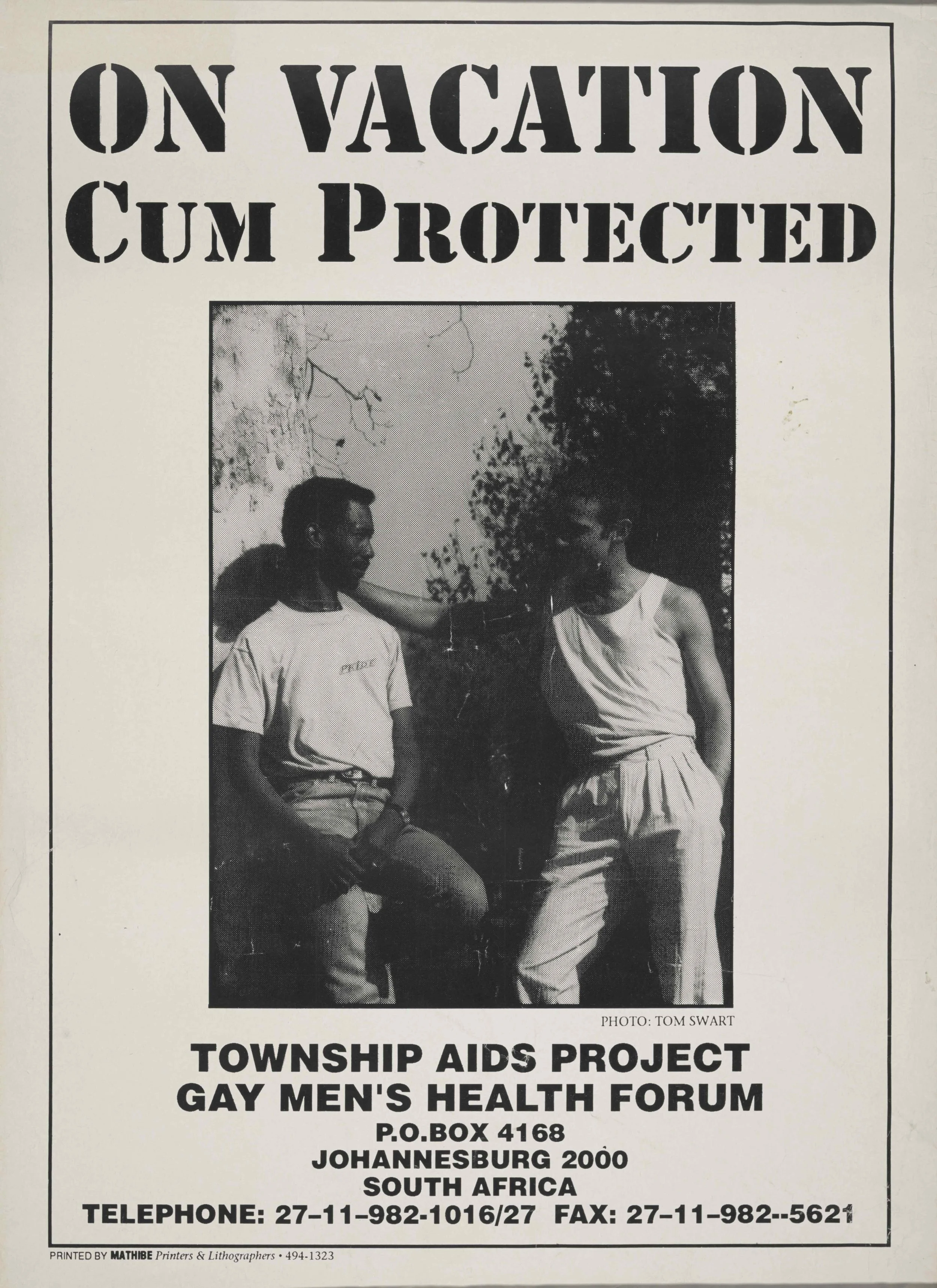
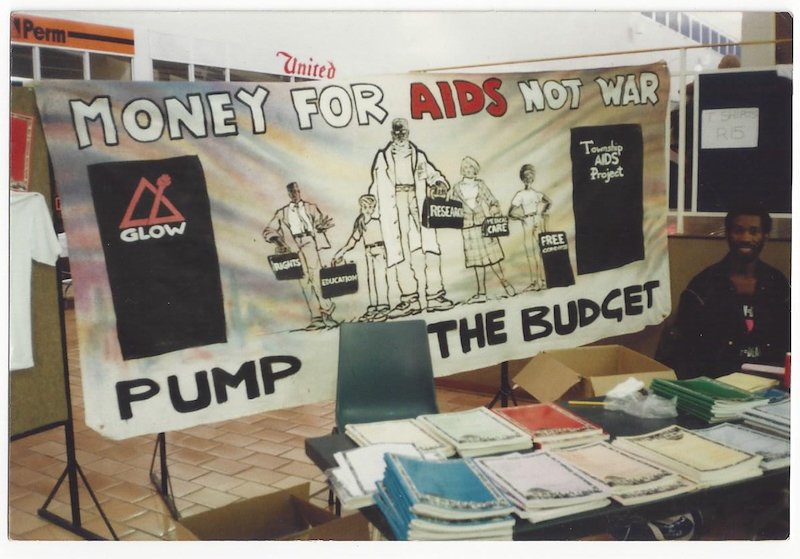
In the 1990s, the Township AIDS Project (TAP) made its own posters, banners and pamphlets to say things, and share information that was not being shared anywhere else. Those materials, held by the GALA Queer Archive, are on the walls at Latitudes now as part of Acts of Care, an Extended Reality (XR) exhibition that explores how communities in the early 1990s Johannesburg and Soweto organised care, education and advocacy during the HIV/AIDS crisis.

“This free three-hour workshop asks participants to look closely at how an earlier generation put a message into public space, using paint, scissors and slogans, and then make something of their own about what needs to be said now,” explains Acts of Care Artistic Project Lead, Kieran Reid. “By making posters together, we hope to construct a collective memory. Each finished poster will join the exhibition’s living poster wall, and will remain in the archive.”

The workshop builds on the Acts of Care exhibition’s poster making station, where visitors design their own posters, physically or digitally, using visual assets from the TAP and GALA archive. Completed works are pasted and projected onto a growing shared wall that evolves throughout the exhibition’s run.

“Our creative team will be on hand to guide, support and advise on what promises to be a meaningful experience,” says Reid.

“We don’t want to simply document TAP’s history, we wanted people to feel what it meant to organise care under pressure, without a manual, without institutional support, and often without the language to name what was happening,” says Linda Chernis, Archivist, GALA Queer Archive

The workshop also speaks to the present. As international HIV/AIDS funding, including support previously channelled through PEPFAR, faces cuts that are affecting clinics, community health workers and prevention programmes across South Africa, Acts of Care insists that the community-led practices of care pioneered by TAP remain relevant today. 

The workshop is designed for anyone with something to say. No art experience is required. Because the session involves paint and other art-making materials, participants are encouraged to wear comfortable clothing and shoes they don’t mind getting messy.

Acts of Care is one of the projects in Futures_Past: Amplifying Memory with Immersive Technologies, an initiative of the Embassy of France in South Africa, Lesotho and Malawi and the French Institute of South Africa (IFAS), in partnership with Electric South, with funding from the French Ministry for Europe and Foreign Affairs.

Workshop details

Workshop: Protest Poster Making, CAMP x GALA Queer Archive, inside Acts of Care
 When: Saturday 31 October 2026, 10:00–13:00
 Where: Latitudes Centre for the Arts, 12 Hope Rd, Mountain View, Johannesburg
 Cost: Free (Max 20 people)  Age: 16+
 Booking essential: https://www.quicket.co.za/events/364286-protest-poster-making/#/

Acts of Care Exhibition runs until 1 December at Latitudes Centre for the Arts, and is open Weekdays, Tuesday to Friday,  from 10:00 - 15:00, and on 28 November from 10:00- 13:00. 

More info : https://twonamegames.com/actsofcare/

Kings of Lesotho - The Royal Succession Story: Immersive VR Experience Brings Basotho Royal History to Life  

A ground-breaking virtual reality (VR) experience charting nearly two centuries of Basotho history is set to give audiences a first-of-its-kind experience of the Kingdom of Lesotho's story - not by reading about it, but by stepping inside it.

Kings of Lesotho - The Royal Succession Story is an immersive 360-degree VR experience that takes viewers on a cinematic journey through the history of the Basotho nation, from the founding of the kingdom by King Moshoeshoe I in 1824 to the reign of the current monarch, His Majesty King Letsie III, the ninth in the royal succession. This VR experience will be launched at the Royal Palace Banquet Hall in Maseru, Lesotho, on Thursday 17 September, with Their Majesties King Letsie III and members of the Royal Family, and invited guests. Thereafter, the experience will be open to the public to experience at the Alliance Française de Maseru (AFM), AFM Library, as well as through a series of free touring exhibitions at selected locations around the country.

Through 360-degree storytelling, spatial sound, archival references, traditional music, and historically inspired landscapes, the experience transports audiences into the living memory of Lesotho.

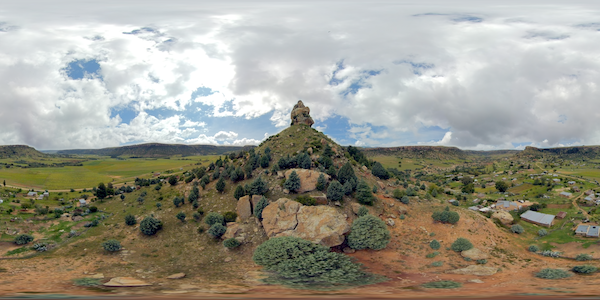
Still from the Kings of Lesotho VR experience of Mount Qiloane the famous conical mountain near Thaba Bosiu in Lesotho that inspired the design of the traditional Basotho hat, the mokorotlo.

"The core of the story begins atop Thaba-Bosiu Mountain, where an historic village, the stronghold of King Moshoeshoe I and the birthplace of the Basotho nation, is brought to life through everyday activities, oral storytelling, music, and historical narration. From there, audiences travel through significant royal sites and beautiful landscapes across Lesotho, including Menkhoaneng, Matsieng, Likhoele, Mokhotlong, Kome Caves, Katse Dam, ’Maletsunyane Falls, Makeneng, Phamong, and Makoanyane Square in Maseru. The journey introduces the life and contribution of each monarch in the royal succession while experiencing the country's natural beauty and cultural identity.

Kings of Lesotho is created in collaboration between the Royal Archives, Museum and Information Centre, in collaboration with MP Multimedia Pty Ltd, a dynamic creative-media company based in Lesotho that specialises in advanced multimedia production, digital storytelling, immersive visual experiences, and innovative content creation, with the Royal Archives providing the historical archival material and MP Multimedia developing and producing the virtual reality experience.

“This project has given us the chance to place our nation's history in front of audiences in a way that has never been possible before, using technology to honour our heritage rather than replace it,” says the artistic team’s Project Lead, Mokhethi Phohlo, of MP Multimedia Pty Ltd, "We hope every Mosotho who steps into this experience walks away with a deeper connection to where we come from."

“The Royal Archives exists to safeguard the history and heritage of royalty and chieftainship in  Lesotho for generations to come. Collaborating with MP Multimedia has allowed us to take those stories out from behind glass and archive boxes, and into a format that speaks to audiences today, while remaining grounded in the historical record. Importantly, the experience can also travel, allowing this history to reach people beyond the archive itself,” says Maneo Ralebitso, Project Lead, of the Royal Archives.

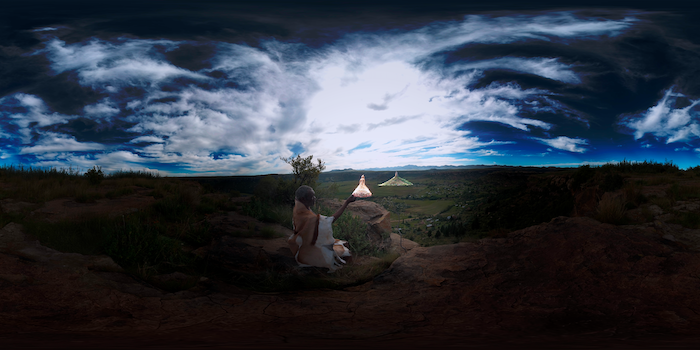
Still from the Kings of Lesotho VR experience – a Basotho man holds up traditional Basotho hat, the mokorotlo, in homage to Mount Qiloane the famous conical mountain near Thaba Bosiu in Lesotho that inspired the design of the hat.

Kings of Lesotho is one of six immersive works developed through Futures_Past: Amplifying Memory with Immersive Technologies, an initiative of the Embassy of France in South Africa, Lesotho and Malawi and the French Institute of South Africa (IFAS), in partnership with Electric South, with funding from the French Ministry for Europe and Foreign Affairs.

Futures_Past began in July 2025 and will run until March 2027 at venues in South Africa, Lesotho and Malawi. The project has brought together artist teams from the countries of six selected archives across South Africa, Lesotho, and Malawi, pairing each team with an archive to co-create an immersive digital work exploring the stories held within its collection. Together, the projects explore how immersive technologies can open new ways of encountering and sharing Southern African histories.   

“Kings of Lesotho is a powerful example of what Futures_Past set out to achieve: giving archives new life through the hands of local artists and technologists. Seeing this project reach the point of a launch at the Royal Palace, with the King and Royal Household present, is a testament to what is possible when heritage institutions and creative industries work hand in hand,” says Jean Spiri, Director of IFAS.

Electric South, Ingrid Kopp says, "Working with this project has been a privilege. It shows how immersive technology, when approached with care, can deepen rather than dilute our relationship with history. Kings of Lesotho is not just about looking back at the royal succession; it is about giving audiences, particularly young Basotho, a new way to feel part of that story."

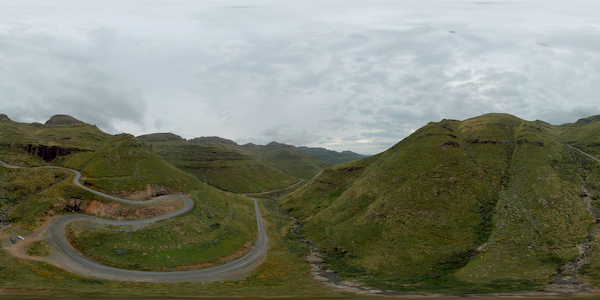
Still from the Kings of Lesotho VR experience – a drone shot of the dramatic Lesotho Highlands.

Kings of Lesotho is the second of six Futures_Past exhibitions and immersive experiences opening across South Africa, Lesotho and Malawi between September and December 2026.

The Official Launch, by invitation only, takes place on Thursday, 17 September 2026, at the Royal Palace Banquet Hall, Maseru. The launch will mark the formal introduction of the completed immersive experience before it opens to the wider public.

The exhibition will be available free to the public from 23 September to 4 December 2026 at the Alliance Française de Maseru (AFM), AFM Library. In addition to the main exhibition at AFM, the project will also undertake a series of free touring exhibitions at selected locations around the country.

Follow the Royal Archives, Museum and Information Centre on Facebook and @_mpmultimedia on Instagram for upcoming touring dates and locations, and to find out where you can experience Kings of Lesotho – The Royal Succession Story.

For further information on Kings of Lesotho, view their  website, and for the wider Futures_Past programme, visit https://www.futurespast.co.za/ 

Acts of Care: Immersive Exhibition Brings Township AIDS Project Archive to Life

A new immersive exhibition is set to transform decades-old archival material into a living, participatory experience, inviting audiences to witness, recognise, and actively continue a legacy of queer community care that began in Soweto, Johannesburg, more than three decades ago.

Acts of Care is an Extended Reality (XR) exhibition drawing on archive material from the Township AIDS Project (TAP), held by the GALA Queer Archive. Using virtual reality, augmented reality, and an interactive creative public space, the exhibition explores how communities in early 1990s Johannesburg and Soweto organised care, education, and advocacy in response to the HIV/AIDS crisis, at a time when the disease was poorly understood, deeply stigmatised, and often framed as a moral or political threat.

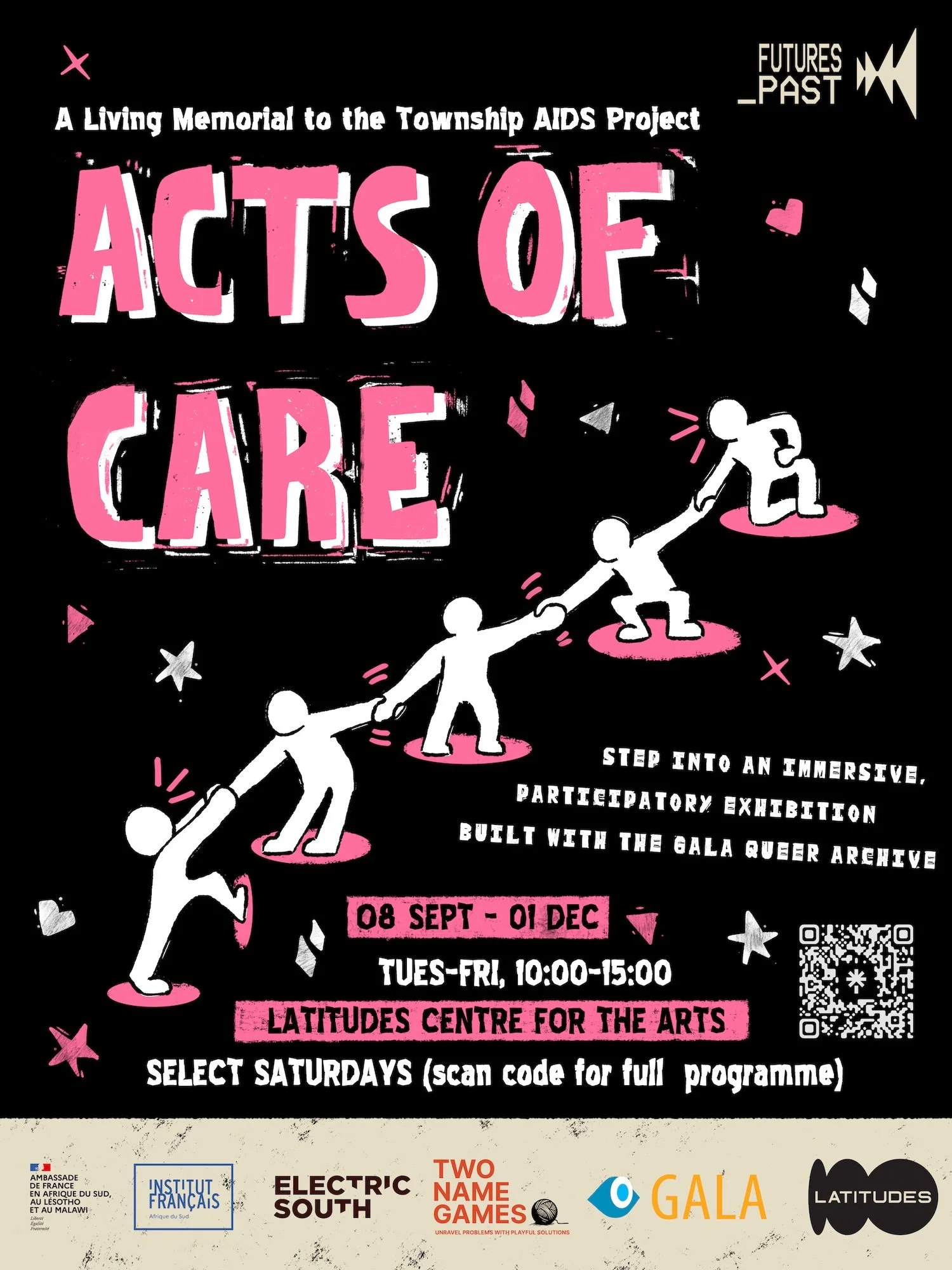
Acts of Care Poster 2026

Acts of Care will be launched on 5 September at the Latitudes Centre for the Arts (LCA) Shepstone Gardens in Johannesburg. It is one of the projects in Futures_Past: Amplifying Memory with Immersive Technologies, an initiative of the Embassy of France in South Africa, Lesotho and Malawi and the French Institute of South Africa (IFAS), in partnership with Electric South, with funding from the French Ministry for Europe and Foreign Affairs.

Structured in three interconnected experiential zones representing the past, present, and future, that map directly into the Acts of Care visitor’s journey and experience of Caring (Witness), Loving (Recognise), and Sharing (Act). Each zone marks a different type of engagement, carrying visitors from an intimate historical encounter, through recognition and affirmation, to collective and public participation.

The first station places visitors inside a VR reconstruction of an early 1990s community counselling room in Johannesburg, narrated by Enea Motaung, who ran TAP for many years. The scene draws on lived testimony to portray the quiet, often invisible acts of care that sustained communities during the crisis.

Poster from TAP archives.

The second station is a playful, full-body AR photo experience, drawing on the bold safe-sex campaign typography and graphic aesthetics of 1990s queer activist culture, allowing visitors to see themselves reflected within the visual language of the movement. Participants can pose, move, and experiment with identity in joyful and unapologetic space. This station connects past activism to present-day self-expression and collective visibility.

At the third station, visitors are invited to design their own posters, physically or digitally, using visual assets from the TAP and GALA archive. Completed works are pasted and projected onto a growing shared wall, forming a living, evolving archive of contemporary care and advocacy that builds throughout the exhibition's run.

Archival photo of TAP outreach.

Throughout, archival photographs, pamphlets, and testimonies from TAP and the GALA Queer Archive connect the three stations, grounding the experience in lived history.

"TAP's story has lived in our collection for almost three decades, known mostly to researchers and those who lived through the HIV/AIDS crisis. Acts of Care gives us the chance to bring that history out into the open, to let new audiences encounter it not as a static record but as something they can step into and feel. This is what it means for an archive to stay alive,” says Linda Chernis, Archivist, GALA Queer Archive.

"We didn't want to simply document TAP's history, we wanted people to feel what it meant to organise care under pressure, without a manual, without institutional support, and often without the language to name what was happening,” says  Kieran Reid, Artistic Project Lead. “Building this in VR and AR helped us to hold onto that intimacy while still inviting people into something collective and hopeful, and creative."

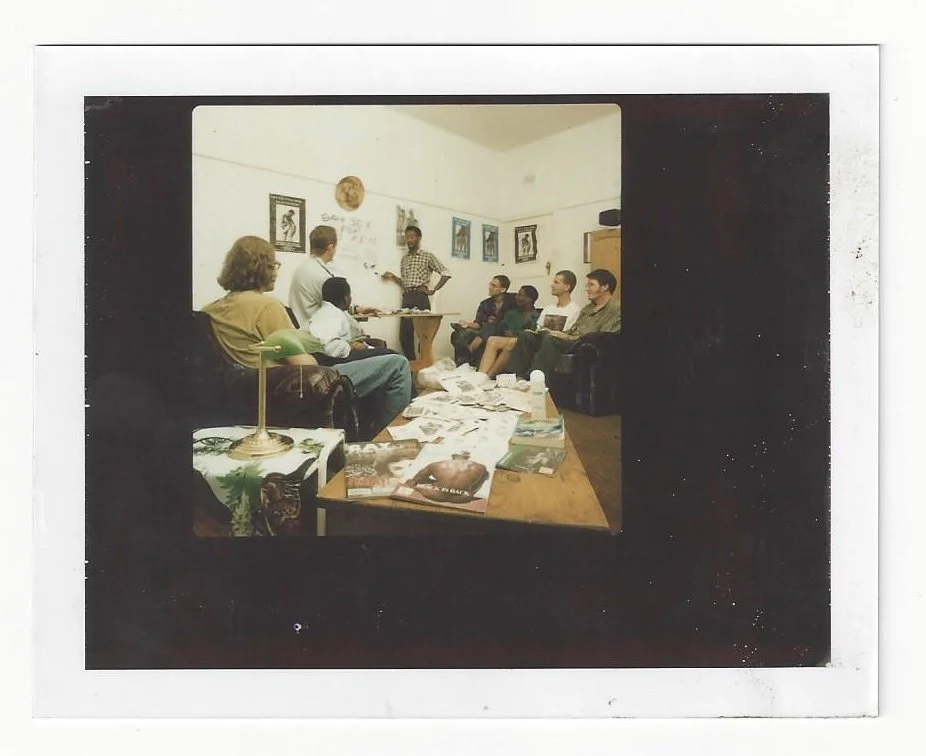
Simon Nkoli, Township Aids Project activist, in a workshop

The exhibition draws a deliberate line between the past and the present. As international HIV/AIDS funding, including support previously channelled through PEPFAR (the U.S. President's Emergency Plan for AIDS Relief) faces cuts that are currently affecting clinics, community health workers, and prevention programmes across South Africa, Acts of Care insists that the community-led practices of care pioneered by TAP in the 1990s remain relevant today.

“Futures_Past set out to show that archives are living resources, not just repositories of the past. Acts of Care embodies that mission entirely, taking a story of care and queer resilience from the 1990s and giving it new urgency at a moment when the very systems of care it documents are once again under threat,” says Jean Spiri, Director of IFAS.

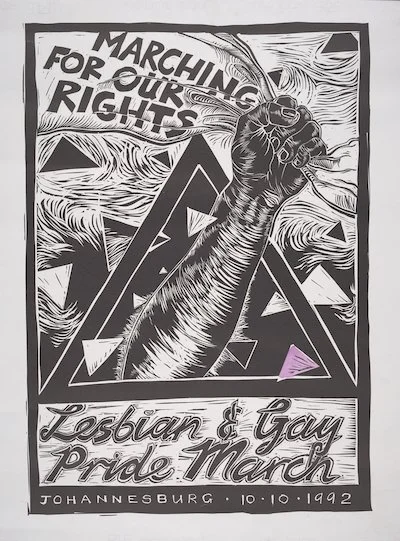
Archival poster for Pride March 1992

Acts of Care is designed to engage queer communities, HIV/AIDS activists, and health workers, as well as students, researchers, and general public audiences. It runs until 1 December 2026 (World AIDS Day) at Latitudes Centre for the Arts (LCA) in Johannesburg. Parental guidance: the exhibition has an age recommendation of 16+.

In response to and alongside Acts of Care, LCA is proud to present How is a triangle the strongest shape?curated by Denzo Nyathi,This group exhibition ponders the methodologies of endurance associated with resistance, taking a particular look at the height of the HIV/AIDS crisis in South Africa. Ephemera and other crafty practices are re-examined and brought to the forefront of fine art, with a queer cohort of artists — Talia Ramkilawan, Athi Patra Ruga and Sizwe Sama — practising their own forms of resistance. Exhibition details:

Venue: Latitudes Centre for the Arts, 12 Hope Rd, Mountain View, Johannesburg

Dates: 5 September to 1 December 2026 

Opening times: Weekdays, Tuesday to Friday, 10:00 - 15:00, &

 Select Saturdays (26 Sept, 31 Oct, & 28 Nov), 10h00-13h00

Programming for selected Saturday openings: https://twonamegames.com/actsofcare/ 

Instagram: @actsofcare_sa

Book here