Blog

World Environment Day (5 June): a South African programme is changing how the tourism industry thinks about its impact

A South African-led initiative is redefining what it means to be a responsible traveller and it’s not about skipping the trip.

DURBAN, 1 June 2026:  With World Environment Day observance on June 5, tourism and travel will no doubt be top of the list of discussions around its impact on the environment and climate change. Down on the southern tip of Africa, a quiet yet significant shift is underway, changing how the tourism industry thinks about its impact

A pioneering pilot programme led by travel company kimkim, in partnership with the Wilderness Leadership School, ETC Africa, and The Eco Travel Boutique, is helping 25 South African tourism properties measure, understand, and reduce their carbon footprints and giving travellers the tools to make their trips count for more.

South Africa’s wild landscapes are doing more than they look like they’re doing. For example, the Kruger National Park alone, roughly the size of Wales, or the state of New Jersey stores hundreds of millions of tonnes of carbon in its soils, trees, and grasslands. These ecosystems are functioning climate infrastructure, and they depend on communities having a tangible economic reason to protect them. Ethical tourism, structured to channel real revenue into local employment and conservation, is one of the most effective tools for ensuring that reason exists. The question isn’t whether to visit, it’s whether your visit makes the place stronger.

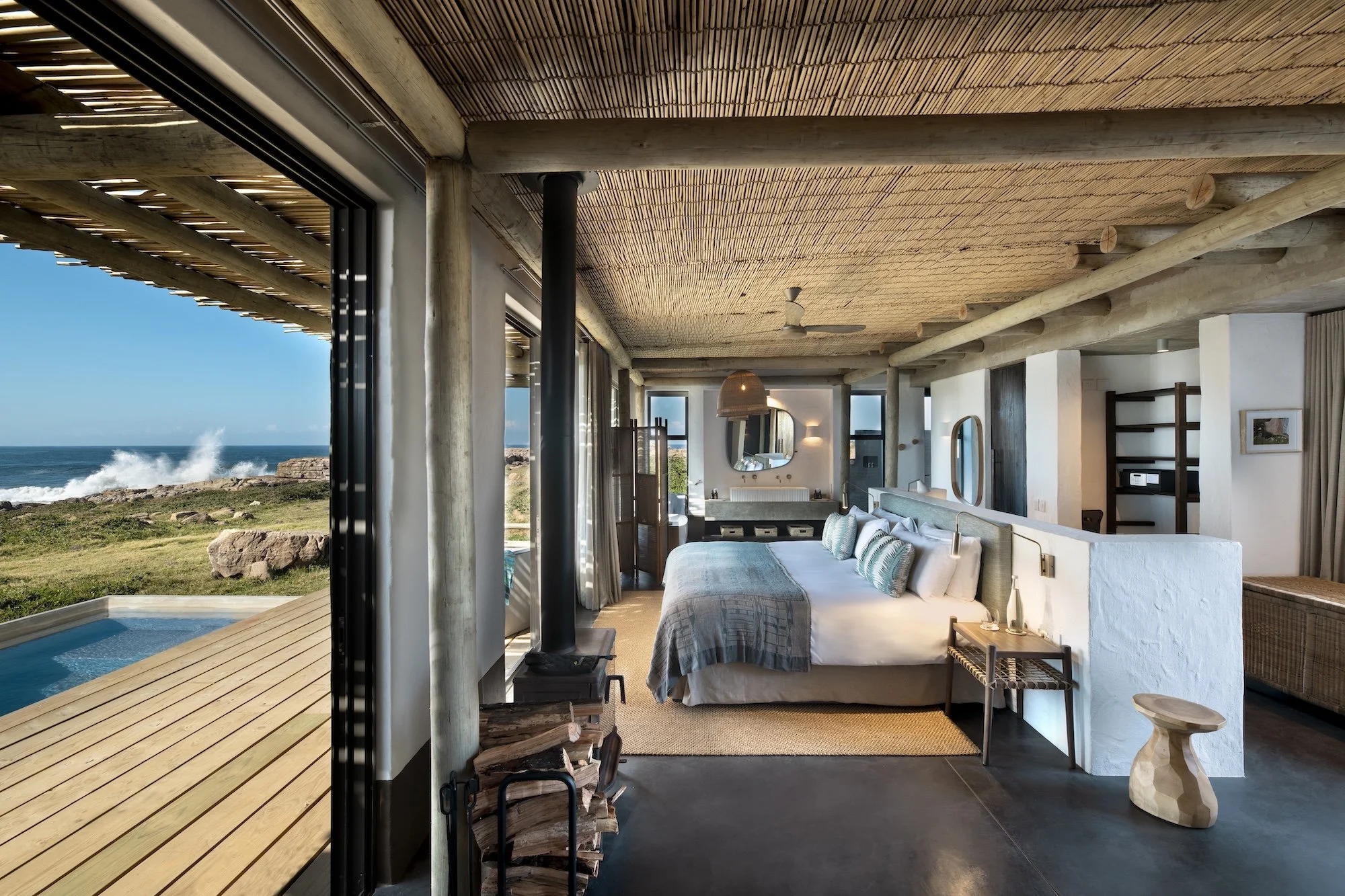
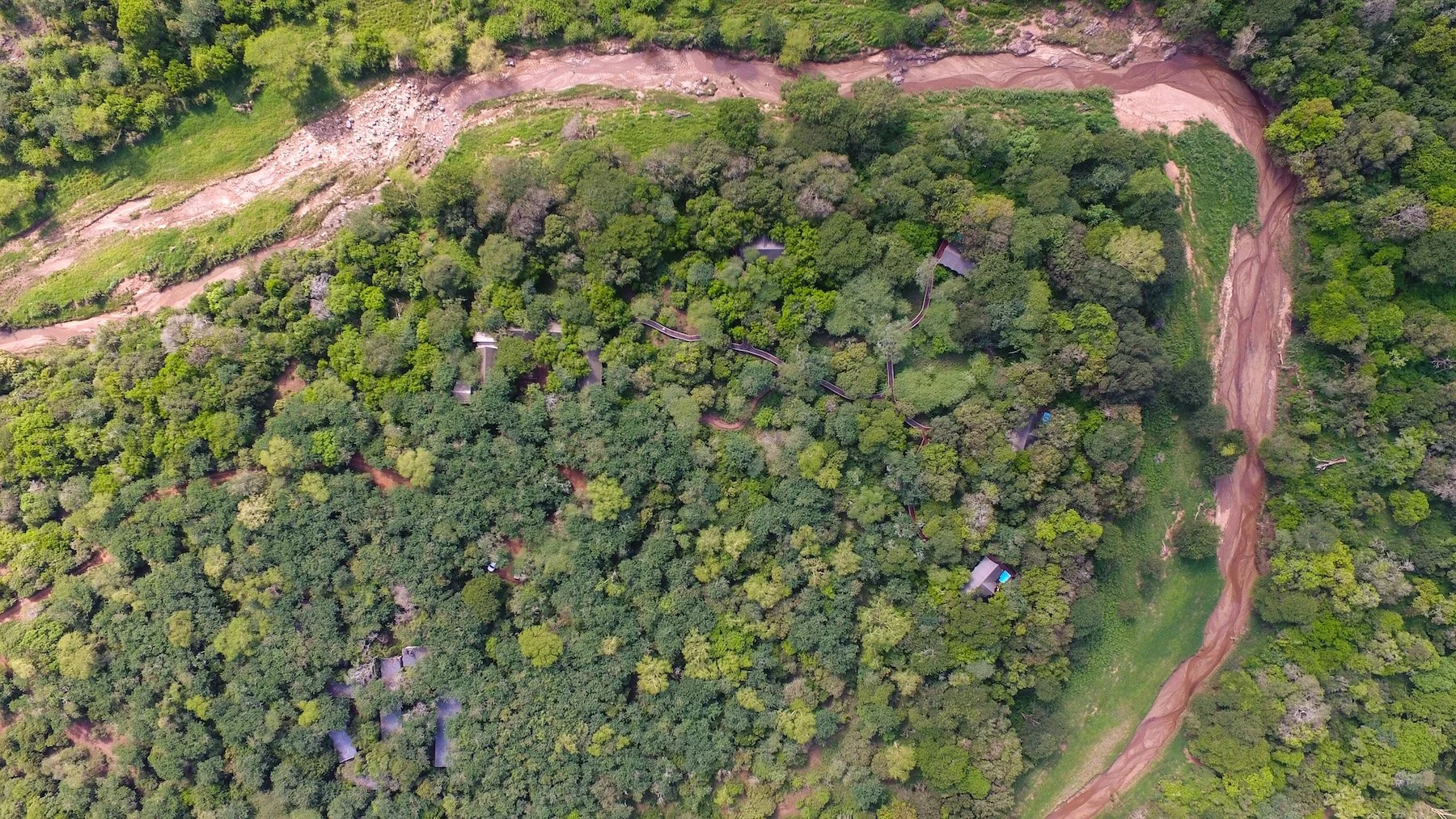
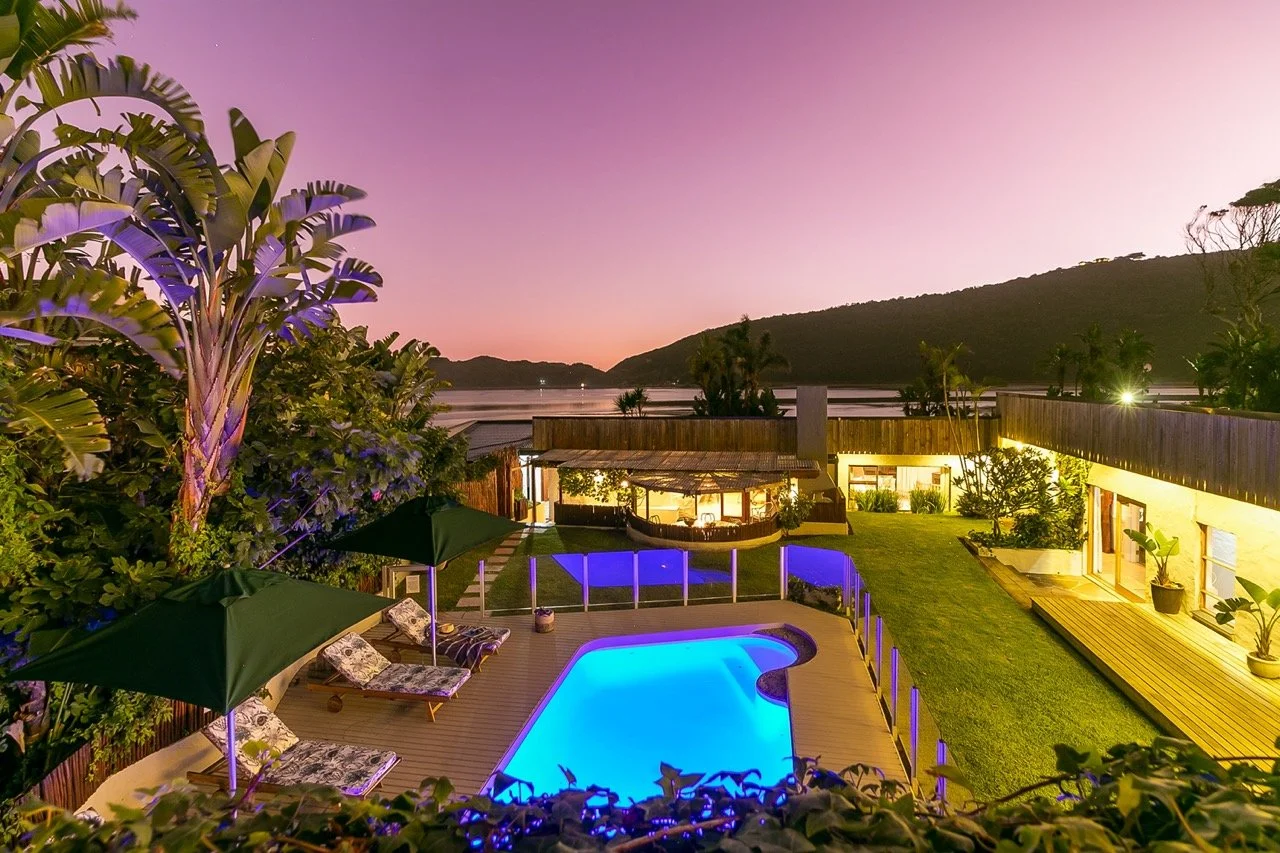
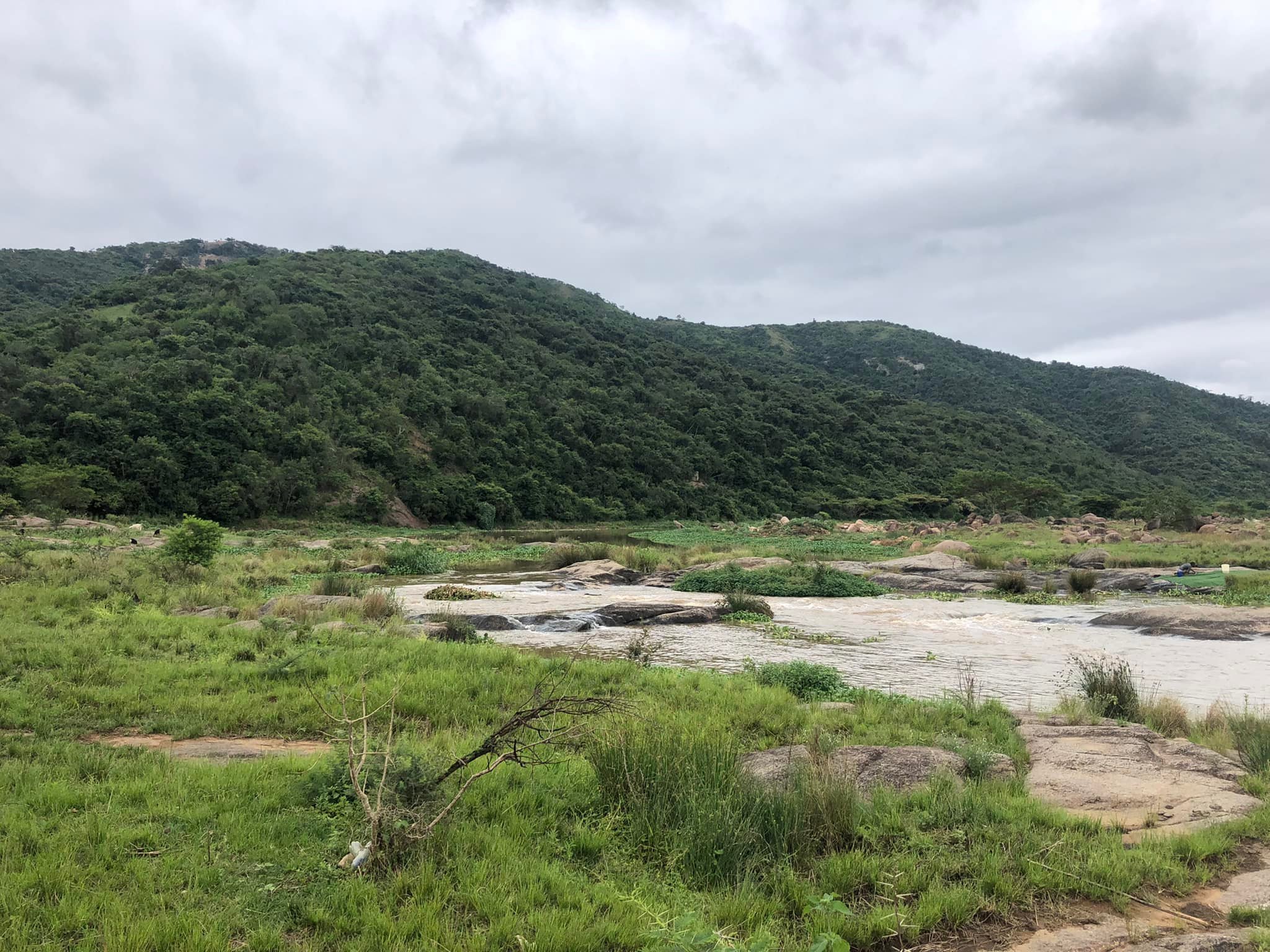
Rhino Sands: Nestled within pristine riverine forest and thoughtfully designed to minimize environmental impact, Rhino Sands blends into the natural landscape, offering an immersive wilderness experience while helping to protect the delicate ecosystems that make the African bush so extraordinary. Credit Rhino Sands

“The greatest environmental challenge isn’t travel it’s disconnection,” says Duncan Pritchard, Director of ETC Africa. “When guests witness wildlife, engage with local communities, or simply stand in a wild place, that’s when real conservation commitment takes root. Measuring a property’s carbon footprint gives that commitment a measurable backbone and the early data from this pilot has been revealing. Off-grid properties are achieving, on average, half the per-bed-night emissions of their on-grid equivalents. And across the programme, properties that actively measure and manage their footprint are seeing emissions reductions of more than 20%  not through radical overhaul, but through the simple discipline of paying attention.”

“Our goal with every traveller is to help them connect to the community and culture of their destination,” says Kaelyn Harris-Vincent, Brand Marketing at kimkim. “When tourism is done thoughtfully, it really can be a force for good. By year’s end, every participating property will carry Verified Impact branding  so travellers can see exactly what their stay is contributing to.” 

Programmes like this one can only do so much. The properties are doing the work, measuring, reducing, verifying. But the traveller is the other half of the equation. And the most impactful choices available to guests are often the least obvious ones.

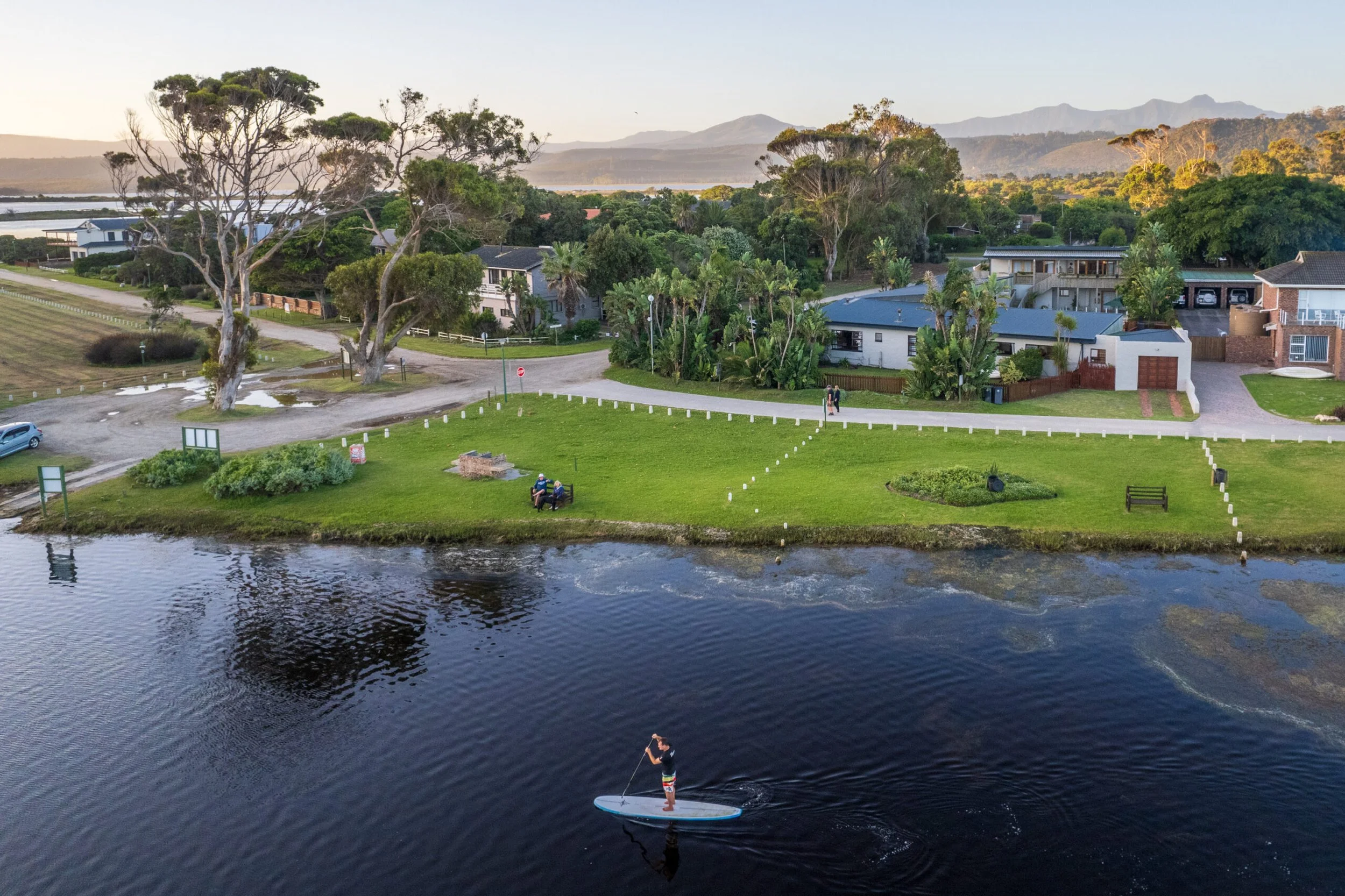
In Toto Retreat: At properties such as In Toto Retreat on the Garden Route, sustainability is embedded in everyday operations, where small, thoughtful decisions combine to create a measurable positive impact for both people and the planet. Credit In Toto Retreat

Eight Things Most Travellers Never Think to Do (But Should)

Beyond the basics, here’s what the most impactful travellers actually do differently:

1.    Ask where the food comes from. Food transport accounts for more than 10% of total greenhouse gas emissions at most remote safari properties. Ask whether produce is sourced locally and know that locally raised meat can have a lower carbon footprint than vegetables flown in from overseas. Local sourcing matters more than the type of food on the menu. Properties that can answer this question fluently are usually the ones worth staying with.

RHINO SANDS: LOCAL FOOD, LOWER FOOTPRINT: Choosing locally sourced food is one of the simplest ways travellers can reduce their environmental impact. Produce and ingredients grown or raised close to a destination require less transport, helping to lower emissions while supporting local farmers and communities. Photo Credit: Rhino Sands

2.    Skip the safari wardrobe. The fashion industry produces more carbon emissions annually than international aviation and shipping combined. Buying an entirely new wardrobe for a two-week trip, a habit that safari-outfit content has quietly normalised can rival the footprint of the flight itself. Pack what you have. Neutral tones are already in most wardrobes. The wildlife doesn’t care about the brand.

3.    Flag dietary requirements weeks before arrival, not at check-in. Remote safari camps often sit hours from the nearest town. A last-minute dietary request can mean a 200 km round trip for a single ingredient; unnecessary emissions, unnecessary cost, and a flustered kitchen. Tell them at booking. Good operators will be grateful; great ones already ask.

4.    Ask for a guide with roots in the area. A guide who grew up in or near the area brings a depth of knowledge that no training programme fully replicates,  the seasonal patterns, the local history, the sounds that don’t appear in field guides. Request one specifically. And when you tip, tip generously: that money enters a local economy directly.

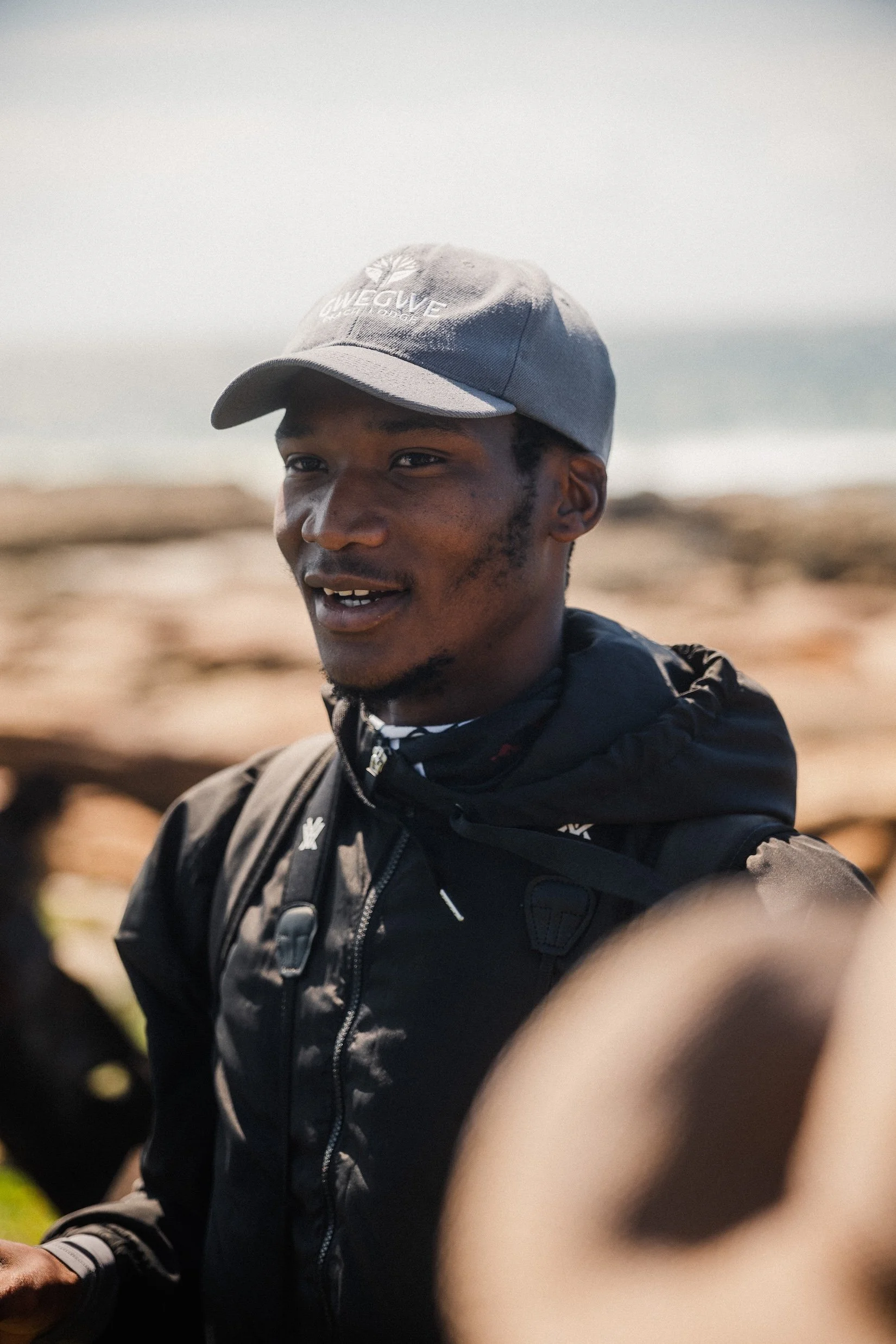
Gwegwe guide:  LOCAL KNOWLEDGE MATTERS
Guides who have grown up in or near a destination offer visitors unique insights into local culture, history and wildlife. Supporting local guides helps ensure tourism benefits communities directly and meaningfully. Pictured here is Asanda Phiwani, a local Pondo guide that shares his knowledge of the natural world as well as local history and culture at Gwegwe Beach Lodge. Photo credit: Gwegwe Beach Lodge

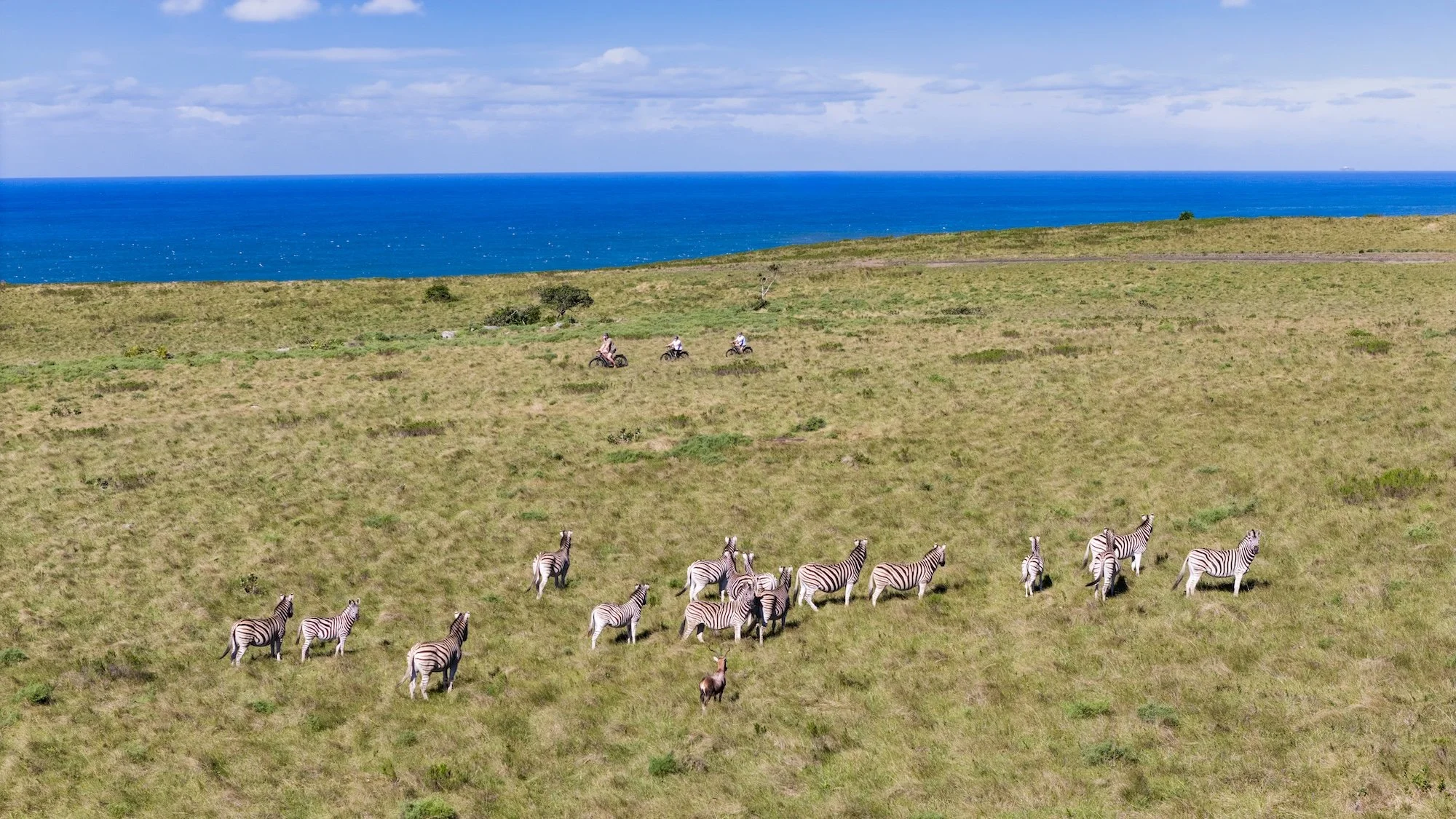
5.    Resist the urge to chase the next wildlife sighting. Game drive vehicles are typically the single largest source of carbon emissions at a safari lodge. Every unnecessary kilometre has a cost. More importantly, the guests who come home with the best stories are almost never the ones who ticked the most boxes, they’re the ones who sat at a waterhole for an hour, or followed a dung beetle across a road, or asked their guide to stop the vehicle and simply listen. Don’t push your guide to race between sightings or even better, request more walking safaris. The bush rewards patience in ways a highlight reel never captures.

eBikes- a exhilarating alternative to game drives with zero fossil fuels. Photo Credit: GweGwe Beach Lodge

6.    Choose one longer trip over two short ones. The carbon cost of a long-haul flight is concentrated in take-off and landing. A two-week trip to Southern Africa carries a meaningfully lower emissions-per-day profile than two separate one-week visits. The experience is also categorically better, by day three, you’re no longer adjusting. You’re actually there.

7.    Ask about the property’s carbon programme before you arrive. Not every lodge that says ‘eco’ has done the work. Ask whether they track their emissions, whether those figures are independently verified, and what specific conservation projects your stay supports. Good properties will have real answers. Others will learn to.

In Toto Retreat: At properties such as In Toto Retreat on the Garden Route, sustainability is embedded in everyday operations, where small, thoughtful decisions combine to create a measurable positive impact for both people and the planet.

8.    Ask how you can leave more than you took. The best lodges will have answers ready: an anti-poaching initiative you can contribute to, a community garden project, a rewilding programme that needs support. Ask anyway, even if they don’t. The questions travellers ask are one of the most underestimated forces in this industry. Properties pay attention to what guests care about. If you ask, they notice. If enough people ask, things change.

The kimkim Climate Action Pilot Programme is implemented through the Wilderness Leadership School, with technical expertise from ETC Africa and market access supported by The Eco Travel Boutique. By the end of 2026, all participating properties that complete the programme will carry Verified Impact branding, providing travellers with transparent, independently verified sustainability credentials.

International Climate Action Pilot Programme in South Africa Positions Tourism as a Force for Conservation

The Kimkim Climate Action Pilot Programme,  currently engaging 25 tourism properties across South Africa is challenging the dominant climate crisis narrative around travel, positioning tourism not as the problem, but as a vital part of the solution.

The programme aims to empower small to medium accommodation providers to embed practical, measurable sustainability practices into their operations, turning travel into a meaningful force for conservation, community support, and environmental awareness.

Funded by Kimkim, a US-based travel company that helps travelers plan authentic, personalized trips around the world, the programme is implemented by the globally renowned Wilderness Leadership School, with technical expertise from ETC Africa, a leader in tourism related carbon footprint management and market access via Johannesburg-based The Eco Travel Boutique.

“At a time when climate related conversations often centre on guilt and reduction, this programme offers a different perspective,” says Duncan Pritchard, Director of ETC Africa. “The greatest environmental challenge is not travel, it is disconnection. Travel connects, and reconnects, people to the natural world, and when guests have the opportunity to see wildlife, engage meaningfully with local communities, or simply stand in a forest, that’s when we see a shift. That emotional connection is one of the most underestimated drivers of conservation action today.”

“The loudest voices in the climate arena often make travellers feel guilty about what they are not doing, rather than feel empowered about what they can do. This is a risk to the tourism economy,  a vital driver of sustainable livelihoods and conservation spaces worldwide,” he adds. “People protect what they love and they only love what they’ve experienced.”

The science underscores the stakes. Intact African ecosystems store substantial carbon, typically around 30 to 50 tonnes per hectare in savannah and bushveld, and well over 150 tonnes per hectare in tropical forests, with even greater amounts held in soils. These landscapes are not scenic backdrops; they are functioning climate infrastructure..

"Our goal, with every traveler, is to help them connect to the community and culture of the destination," says Kaelyn Harris-Vincent, Brand Marketing at Kimkim and lead of the Kimkim Climate Initiative. "When tourism is done with intention and thoughtfulness, it really can be a force for good. The question isn't whether we should travel, but whether our travel makes the places we visit stronger and more resilient. Ecotourism allows travelers to see these places and have an impact at the same time. This programme ensures every stay contributes to something bigger than the trip itself."

Funded through Kimkim's Climate Initiative, the programme is offered at no cost to participating properties. The programme helps properties establish their baseline carbon footprint, benchmark against peers, and build capacity through workshops and project design. This becomes the launchpad for identifying and implementing projects that reduce emissions, protect natural carbon sinks and create lasting value for conservation and communities alike. By the end of the year, participating properties receive Verified Impact branding and guest-facing marketing assets, enabling them to communicate their carbon footprint journey clearly and confidently.

Carbon footprinting has become the global standard for measuring environmental impact,  not because carbon tells the whole story, but because it provides a consistent, quantifiable baseline against which any operation can assess its efficiency and track genuine progress. For tourism businesses, it transforms vague sustainability intentions into credible, comparable data.

“What matters is that a carbon footprint is used as a management and learning tool. This programme gives travellers something more valuable than an offset: the confidence that the places they choose are managing their impact and turning every visit into a real contribution to wild places and communities,” says Esther Ruempol from The Eco Travel Boutique. “Rather than asking travellers to offset guilt, this programme reframes the conversation as an invitation to be part of something bigger.”

Participants gain a comprehensive support package that makes sustainability achievable and meaningful, helping properties turn their carbon footprint into a force for good, tell their story with confidence, benchmark against best practice, display verified credentials, and join a growing movement redefining what responsible tourism looks like.

About the Programme

The Kimkim Climate Action Pilot Programme invites accommodation providers across South Africa to step into a new narrative, one where tourism actively contributes to conservation, community growth, and environmental resilience. The programme is offered at no cost to qualifying properties. 

For more information on participating in the programme visit: www.verifiedtourismimpact.org or email verifiedimpact@etc-africa.com

Creatives Focus on Climate at Durban FilmMart

Durban, South Africa: In a major film industry collaborative effort Climate Story Lab South Africa, Doc Society – Climate Story Unit, STEPS, and the Global Impact Producers Alliance (GIPA) presents the Climate Focus at this year’s Durban FilmMart which takes place from 19 to 22 July.

Climate Focus promises stimulating sessions to seek tangible approaches to communicate the climate-crisis through film with panel discussions, hands-on dialogues around potential impact strategies to effect change through film, brainstorming sessions, and networking opportunities for film industry participants creating content for this secto

Emily Wanja, who is Director of African Programmes at Doc Society - Climate Story Unit, says, “This climate focus at DFM is part of Climate Story Unit’s commitment to support transformative storytelling that advances a climate just and biodiverse future by storytellers, impact producers, and movement builders. Collectively we can envision, experiment and share how an abundant world for all could look like. DFM provides an opportunity to strengthen partnerships across the information ecosystem on the continent for this work to thrive.”

Filmmakers and activists, in an invigorating panel titled Don’t Stop Talking About Climate Chaos! discuss the role creatives play in sounding the alarm on the climate crisis, and inspiring effective action, including the building of African climate movements. Nasreen Al Amin (Climate Story Lab Lagos), Kudzayi Ngwerume (UMI Fund), Pete Murimi (BBC Africa Eye), Simeon Letoole  (Human Rights Activist) and Kumi Naidoo on video (Activist and former Director of Greenpeace) feature with moderators Anita Khanna (Human Rights Media Trust/Uhuru Productions) and Emily Wanja (Doc Society - Climate Story Unit).

In the session titled Partnerships and Pathways to Reach Audiences, the need for collective focus and political will to effectively address climate change is unpacked and paralleled with the HIV/AIDS crisis in South Africa, where miscommunication, denialism, and fake news hindered efforts to change behaviour and create impactful solutions. The progress in reducing HIV/AIDS-related deaths was achieved through collective efforts. The panel will address how the climate crisis needs a similar collective effort from all sectors including filmmakers through innovative partnerships with funders, broadcasters, and alternative distribution models, decentralised to unlock impactful audience reach.

Nadine Cloete (NFVF), James Smart (Nation Media Group), Pete Murimi (BBC Africa Eye), Noel Kok (NEWF), Nonto Sibanyoni (Sunshine Cinema), Theresa Hill/Tiny Mungwe (STEPS) and Cindy Makandi (Tunga Afrika) feature here with Miki Redelinghuys (Climate Story Lab ZA) as moderator.

In practical tool-kit styled approach the session Impact Strategy in Action, aims to equip impact producers with the insights necessary to create effective impact strategies. The panel will explore key issues such as identifying target audiences, setting measurable goals, leveraging partnerships, and maximising impact through media and outreach efforts.

Tiny Mungwe (STEPS) moderates this session which features Emily Wanja (Thank You For The Rain Impact Producer), Rumbi Katedza (Transactions Director) and Anita Khanna (Temperature Rising Co-Director).

Well-known impact producers and strategists Liani Maasdorp (Climate Story Lab ZA), Emily Wanja  (Doc Society), Nasreen Al Amin (Climate Story Lab Lagos) and Tiny Mungwe feature on the panel in the Impact Hackathon moderated by Miriam Ayoo (Global Impact Producers Alliance). Here one of the Africa Labs Showcase projects which has been working with mentors during the DFM, will participate in a high-energy, interactive session to unpack the impact potential of the film.

Aspiring impact producers will also have an opportunity to connect with GIPA members at a session at the DFM, to find out more about joining GIPA which nurtures the work of the unique, often overlooked, but powerful community of impact producers.

In a practical session Who’s Watching Our Films?  Alternative Distribution Mapping, Doc Society - Climate Story Unit, CSL ZA, STEPS, DOCA, TUNGA Afrika partner in a session moderated by Cindy Makandi (Tunga Afrika) to ignite an initiative they have started to help film industry professionals to unlock both existing, new and effective distribution pathways to ensure stories reach the people they are meant for. In this session they will map out alternative distribution avenues that extend beyond conventional routes. The goal is to create an open-source model that filmmakers can use to discover viable distribution partners across the continent.

Award-winning impact producer Anita Khanna, (Uhuru Productions), says, “It's shocking how little attention is being given to the biggest threat humanity has ever faced, but we know as activists that this is often because people face many challenges that are more immediate to them. If we can use our artistry and our campaigns to, at the very least, keep people fully informed of what the climate emergency means to them, and at most, get people motivated to organise around climate demands, then we will see some serious movement. It's a thing that artists have done in the past, around vital social matters, we need to be doing it now, on steroids.”

For more information about the Climate Focus at DFM in Durban go to https://climatestorylabza.org/dfm-2024/

For more information on the DFM go to https://durbanfilmmart.co.za/

-ends

Doccies on rights and wisdom of First Nations, and the inextricable link to the ever-growing climate crisis, in new documentaries on Al Jazeera English

Whether it be environmental disaster or extractive development, often it’s the indigenous First Nation peoples around the world who are on the frontlines – whose lives, communities and very existence are under threat.  In First Nations Frontline, a new series which recently started airing on Al Jazeera English, indigenous people from Australia, Sweden, Colombia and North America invite audiences into their worlds, revealing the realities and consequences of the rampant capitalism and human greed which contributes to the climate crisis.

The Starry Night Toad directed by Kata Karáth

Providing a glimmer of hope as the world navigates the climate crisis, Colombian Arhuaco leader Ruperto Chaparro Villafaña teams up with scientists to save the critically endangered Starry Night Harlequin Toad in Colombia, in The Starry Night Toad directed by Kata Karáth.  They work to unite indigenous and western scientific knowledge to understand the role of the toads in the unique ecosystem of the Sierra Nevada de Santa Marta, the world's highest coastal mountain and the sacred land of the Arhuaco people.  The life cycle of the frog helps determine when to cultivate and harvest different crops – the reason this species is a flagship for their community-based project. Chaparro Villafaña must also defend their territory against illegal land grabbers, even as he’s working with scientists to find the cure for a deadly fungus that threatens all Harlequin toad species in the Neo-tropics.

The Torres Strait: Swallowed by the Sea 

The Torres Strait: Swallowed by the Sea directed by Theopi Skarlatos, looks at the Torres Strait Islanders’ class action against climate change. Climate change is causing catastrophic damage to the Torres Strait Islands. Fearful of losing their homes, the islanders sue the Australian government – but this is just the beginning. Refusing to be silenced, this is the story of how a father and son are letting the world know of their plight. 

In Black Butterflies: The Cost of Going Green

In Black Butterflies: The Cost of Going Green  directed by Saila Huusko, father and daughter Mikael and Sara Elvira fight against what they believe is Sweden’s exploitation of their land and resources, in the name of Sweden’s green agenda. Their community, the Sami, believe natural resources should only be used when necessary because, without them, humans will cease to exist. This film is their journey as they lobby climate activists and the Swedish government demanding the protection of their way nomadic way of life. 

Native Nation: Voices of Survival 

Moving to North America, the Navajo Nation offer valuable knowledge to mitigate the effects of climate change on their sacred lands in Native Nation: Voices of Survival directed by Ali Sargeant Sam Liebmann. Two Native American writers take us on a road trip to meet a community of fellow indigenous activists who are fighting to protect their land. They use traditional knowledge and ideas, and hope to influence the world’s approach to save the environment

“The issue of the environment and the struggles of First Nation people often go hand in hand, and certainly we have seen this in the recent COP27 deliberations in Egypt,” says Farid Barsoum, Executive Producer of the First Nations Frontlines series for AL Jazeera. “ Indigenous people  are often the first to bear the brunt of our environmental failures. We commissioned this series in the hope that several of these stories will collectively illuminate some of these issues, providing valuable insights for a global audience.”

The documentaries can be accessed on Al Jazeera English streaming service, Youtube https://www.youtube.com/@aljazeeraenglish/featured or online https://www.aljazeera.com/videos/documentary/

 -ends

SA's Empatheatre invited to UN COP27 to present award-winning Climate Change Play  

Durban-based award-winning theatre company – Empatheatre has been invited by the United Nations Framework Convention on Climate Change to present their hard-hitting play - Lalela Ulwandle (Listen to the Sea) at this year’s COP27 (6-18 November) in Egypt. 

Neil Coppen, Dylan McGarry  and  Mpume Mthombeni, the co founders of Empatheatre. Pic by Jacki Bruniquel


The production has been invited by the UNFCCC (The United Nations Framework Convention on Climate Change) Secretariat to perform the award-winning theatre play Lalela uLwandle (Listen to the Sea in isiZulu) at the Capacity-building Hub of the Blue Zone of COP27 (14 November 2022, 17.40-18.40 Egypt time). 


Mpume Mthombeni in Isidlamlilo – The Fire Eater  - Photo by Val Adamson

The company is currently running its critically-acclaimed work Isidlamlilo – The Fire Eater featuring the award-winning actress Mpume Mthombeni at The Sneddon Theatre, UKZN which ends on Wednesday ( 9 November).

Following this Durban season, they rush off to Sharm el-Sheikh in Egypt to perform their much-toured, impact theatre work Lalela Ulwandle at the “Oceans and Land” day event at the Capacity Building Hub at COP 27.

Lalela Ulwandle explores themes of intergenerational environmental injustices, tangible and intangible ocean heritage, marine science, and the myriad threats to ocean health. Essentially this piece is an invitation to a participatory public conversation on ocean governance in South Africa (and beyond). The work was initially funded under the One Ocean Hub, the five-country hub of researchers exploring more democratic methods of engagement in ocean governance, and it is under this banner that the work will be seen at COP27.


“Finally we are bringing Empatheatre to the decision-making conference halls!” enthuses director Neil Coppen. “This means that these real stories are finally entering the United Nations, unedited and fully embodied! Through One Ocean Hub we have a spot in the Oceans and Land day event which seeks to respond to the mandate from COP to integrate and strengthen ocean-based action in their capacity-building efforts. In this context, there is a need for knowledge systems that include scientific, traditional, local, and indigenous knowledge to support decision making.”


“Our play, which has been touring South Africa since 2019 holding public storytelling events and tribunals has gathered thousands of coastal peoples' spiritual, cultural, and scientific understandings of the oceans in these critical climate-stressed times,” continues Coppen. “We have performed through droughts and floods, through pandemics and political struggles- through personal losses and through massive shifts in the way we work and practice.”


Lalela Ulwandle (Listen to the Sea) which features Alison Cassels, Mpume Mthombeni and Rory Booth is directed by Neil Coppen, and written by Coppen, with contributions from Helen Walne, Gcina Mhlophe, Mpume Mthombeni, Dylan McGarry, Taryn Pereira, Kira Erwin.  The UFC (Urban Futures Centre) at DUT has been deeply involved in the production from the outset under the leadership of Dr Kira Erwin.


Catch Empatheatre’s Isidlamlilo – The Fire-Eater  featuring Mpume Mthombeni, at The Sneddon, UKZN, Durban for 2 performances only on 8 November at 7pm and 9 November at 11am before they head to Egypt to present Lalela Ulwandle. Bookings are with

https://tickets.computicket.com/event/isidlamlilo/7201674.


-ends

Climate Action Activities during European Film Festival

Sharpening the spear for climate justice and building back better after Covid-19


One of the films in this year’s European Film Festival is I am Greta the new documentary on Greta Thunberg, the Swedish teenager whose quiet yet laser-sharp focus has generated massive public attention on climate change, and inspired a generation of young activists.  The film will be screened online in South Africa, from 12 to 22 November, and will be augmented by a number of climate action activities including a live discussion on Friday, 13 November at 18:00 (SA Time).


Climate change is undoubtedly one of the greatest crises humanity has ever faced. In 2015, 196 countries signed the Paris Climate Accord to reduce greenhouse gas emissions and slow global warming. There are many who say the Paris Climate Agreement does not go nearly far enough to address the urgencies, or the imperative of climate justice. Another question is how effective the commitments are in practice. Signing a non-binding Agreement is one thing, but implementation is another – especially here in the world’s most unequal country, where an internal Global North way overproduces and overconsumes our fair share of the continent’s emissions. This hard-to-hear reality underscores the importance of both climate action and climate justice organisations and watchdogs. They monitor progress or shortcomings, and hold governments, corporations, the wealthy and multilateral transgressors accountable. 


Sharpening the spear

The festival’s climate programme includes screenings of the I am Greta documentary and awareness discussions in schools and community centres around the country and the live Zoom event Climate Justice South Africa: sharpening the spear.  This Zoom event brings pertinent experts together for a series of short presentations articulating the status of local climate change impacts, and outlining mitigation strategies, initiatives, and ways forward for South Africa.


In a presentation entitled From Climate (in)Action to Climate Justice, an author of numerous books and articles, Professor Patrick Bond of the University of the Western Cape School of Government, will offer an overview of climate politics and projects in South Africa. His critiques are razor sharp, and tackle the UN, national and municipal governments, corporations and activists, in turn. 

Ulrich Steenkamp of  Earthlife Africa

Ulrich Steenkamp of Earthlife Africa


From the renowned advocacy and activist group Earthlife Africa, Ulrich Steenkamp’s  presentation on Energy Democracy is framed against the democratic rights of the citizens of this country, the need for access to clean energy, and for participation in decision-making processes. 


Avena Jacklin of the Pietermaritzburg-based NGO groundWork/Friends of the Earth South Africa  addresses Environmental Protection Urgencies. She connects the dots from climate to the devastating water crises – droughts and periodic floods – and the importance of reshaping management of this basic resource. 

Ayakha Melithafa from the Africa Climate Alliance.

Ayakha Melithafa from the Africa Climate Alliance.


The younger generation is whose future is most at stake, as explained by Ayakha Melithafa from the Africa Climate Alliance. What innovative approaches do the youth bring to advocacy efforts and awareness campaigns, how does Youth Activism feed into policy and legislative processes so that South Africa is able to address the challenges with integrity, fairness and justice? What ecological and social rights do we need to recognise what must be ensured for future generations? 


All the member states participating in this European Film Festival are signatories to the Paris Agreement. South Africa is a signatory. Now that the United States is going to rejoin Paris, once Donald Trump vacates the White House next January 20, a global-to-national-to-local scan is vital. Greta Thunberg teaches us how to do this through the idealistic eyes of the youth, and we must turn a laser glare to addressing this greatest crisis humanity has ever faced, especially since the “Just Transition”, “decarbonisation” and “Build Back Better” refrains are still being heard from the South African presidency. This Live Zoom discussion is a reminder of the climate catastrophe and a call to action, to all of us. Access the event at 18.00 (SA time) on Friday 13 November through a link from the Special Events page on www.eurofilmfest.co.za.

Fikile Ntshangase, the anti-mining activist wy

Fikile Ntshangase, the anti-mining activist wy

This event is dedicated to the memory of Fikile Ntshangase, the anti-mining activist who was assassinated on 22 October. Ntshangase was the deputy chairperson of the Mfolozi Community Environmental Justice Organisation (Mcejo), which has stood steadfastly against the Tendele Coal Mine’s expansion in the Somkhele village area.


The European Film Festival 2020 is a partnership project of the Delegation of the European Union to South Africa and 12 other European embassies and cultural agencies in South Africa:  the Embassies of Austria, Belgium, Ireland, Lithuania, the Netherlands, Poland, Spain, Sweden and Wallonie-Bruxelles International, the French Institute in South Africa, the Goethe-Institut, the Italian Cultural Institute, and the British Council. The festival is organised in cooperation with CineEuropa and coordinated by Creative WorkZone.

- Ends