Blog

13th European Film Festival South Africa Programme Announced

The 13th European Film Festival South Africa presents the latest award-winning, critically-acclaimed and star-studded European films for local audiences to experience in cinemas around South Africa from 17 to 27 September. As the world faces ever faster and enormous changes, the festival’s offerings from across the continent paints intimate, human portraits of family in all its different forms as vital to personal, psychological and social survival. 

This year’s programme boasts 12 films including new work from Oscar-winning directors Pawel Pawlikowski and Paolo Sorrentino; social realist legends, the Dardenne Brothers; BAFTA-winning feature debutant Akinola Davies Jr.; and intriguing, entertaining, always engaging work from both veteran and emerging European cinematic storytellers. Featuring impressive performances from the cream of European talent including Mads Mikkelsen, Javier Bardem, Sandra Hüller and Carice van Houten, and a host of newcomers ably meeting the challenges of demanding, emotional roles – the 13th edition of South Africa’s premier festival for cinema-lovers explores family and its realities and challenges across time, place and genre.  

Opening the festival is The Last Viking, with Denmark’s biggest star Mads Mikkelsen, leading the star-studded cast of this madcap, blackly comic Danish family-drama/crime-caper-noir about brothers, mental health, past secrets, the Beatles and getting by with more than a little bit of help from your friends. 

Winner of the BAFTA Award for Outstanding Debut, My Father’s Shadow (UK), British-Nigerian director Akinola Davies Jr’s first feature marks the arrival of a vital, bold new voice in world cinema. Poetically realised with haunting imagery and bustling, vivid, angry life it’s a deeply personal film that’s a tribute not only to its creators’ own father but to all parents who daily face the struggles to keep their families alive and together at all costs. 
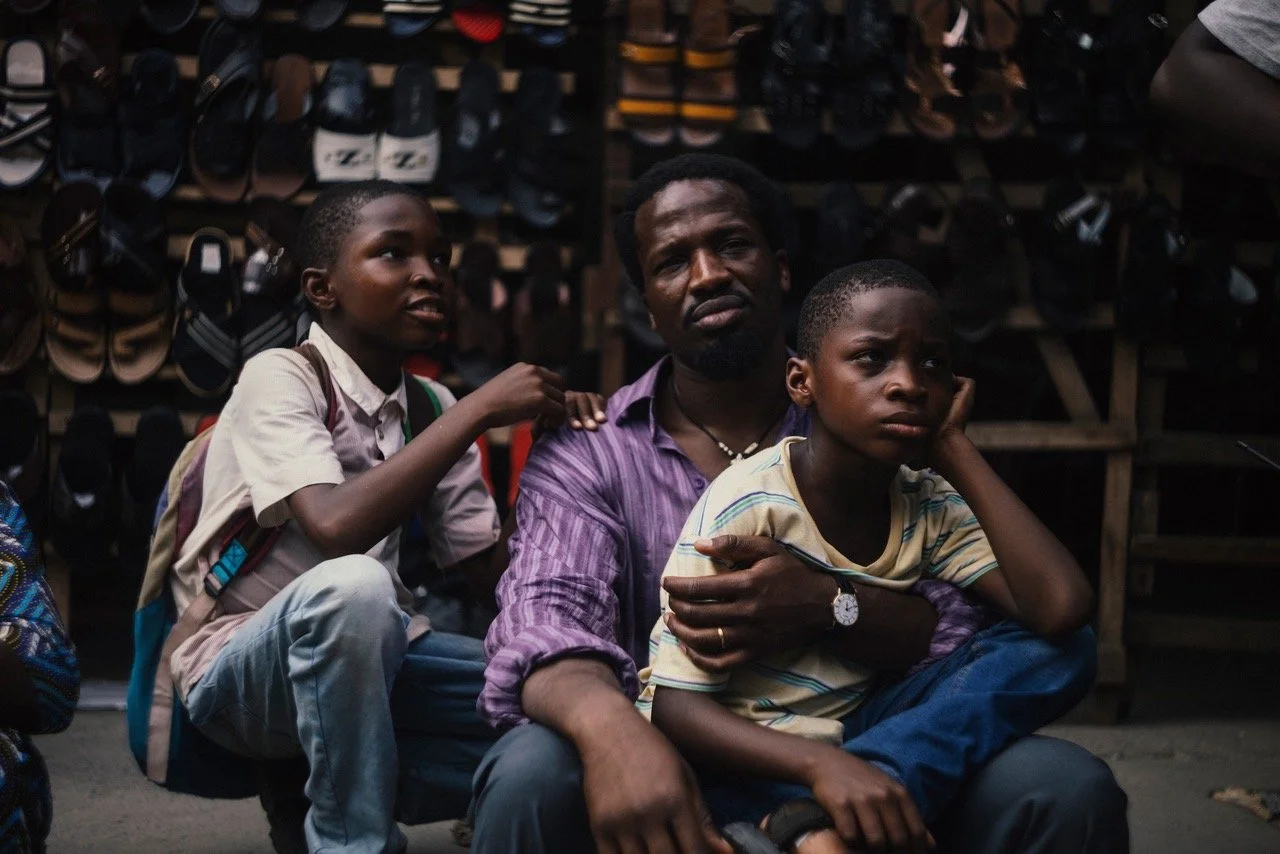
My Fathers Shadow ©Lakin Ogunbanwo

Germany’s offering Fatherland directed by Oscar-winning director Paweł Pawlikowski (Ida and Cold War), European cinema’s master of visual and narrative precision, delivers a tightly controlled, intimate, and heart-breaking portrait of German literature’s legendary Thomas Mann as he and his daughter make a journey across a nation trying to grapple with grief and the horrors of the past as the Cold War rages. Winner of the Best Director prize at this year’s Cannes Festival, the film stars Oscar-nominated Sandra Hüller (Anatomy of a Fall).

In Young Mothers (Belgium), the multiple award-winning Jean-Pierre and Luc Dardenne paint a small, gritty, and empathetic portrait of the struggles of young mothers. Abandoned by their families and society, these courageous and anxious young women support each other as they make the first of many tough adult decisions of their lives.  Winner of the Best Screenplay award at Cannes this year.
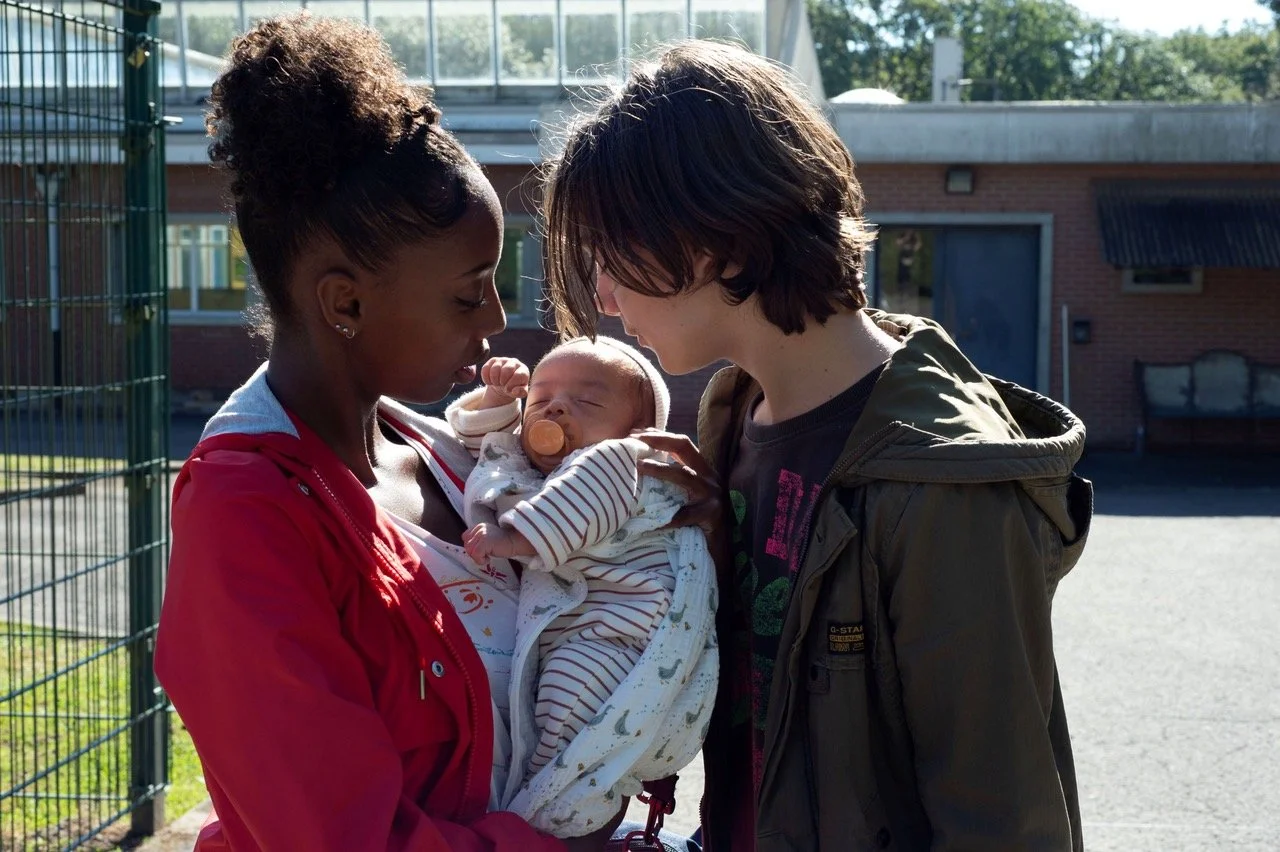
Young Mothers

Oscar- and BAFTA-winning leading Italian director Paolo Sorrentino (The Great Beauty) reteams with collaborator Toni Servillo in La Grazia (Italy). Servillo won a Best Actor statue at the Venice Film Festival for his performance in this elegantly styled, intimate drama about fathers, daughters, love, duty and the eternal question of “who owns our days?”- set against the grubby backdrop of Italian politics. 
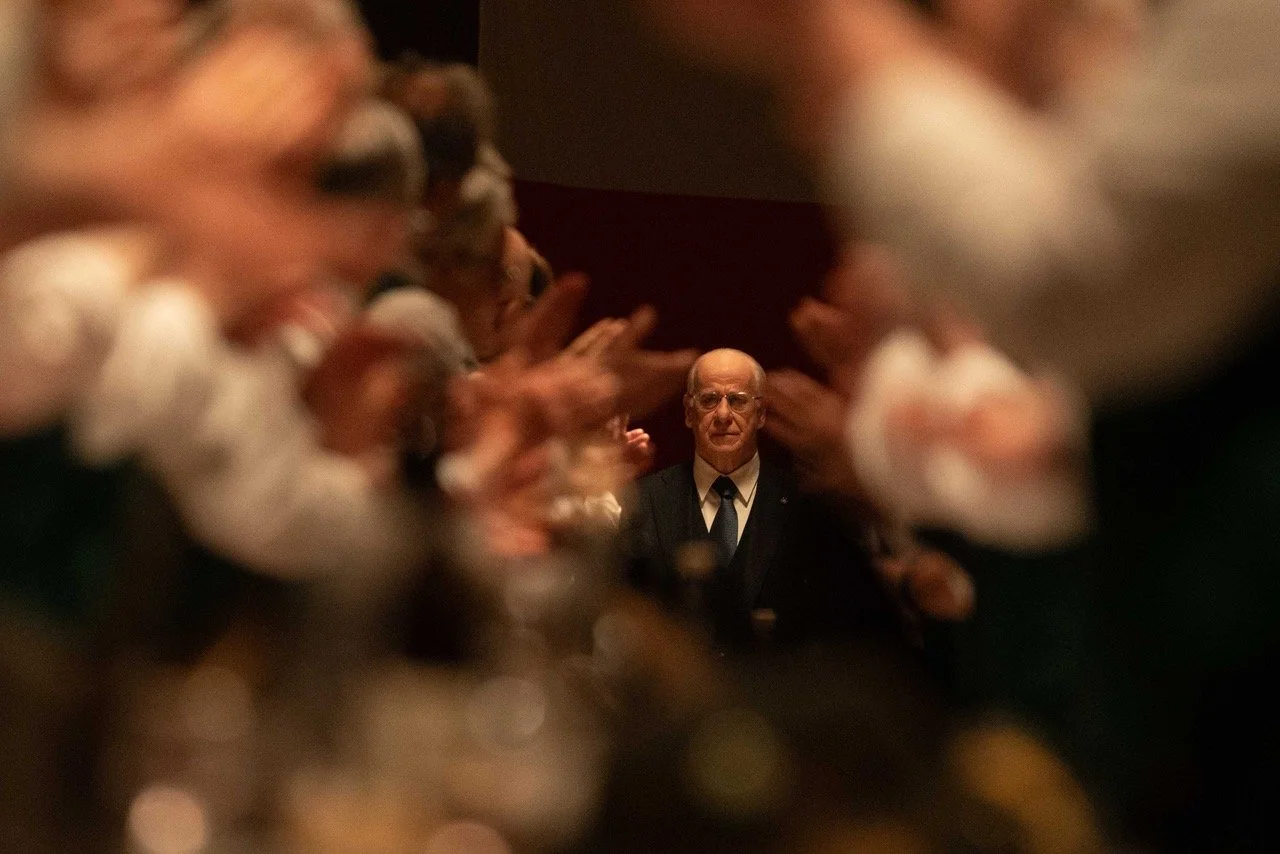
La Grazia - Toni Servillo - © Andrea Pirrello

Colours of Time (France), directed by Cédric Klapisch is a family drama that weaves together stories from one family’s 19th century past and their 21st-century present. A memorably delightful and touching exploration of art, family and history. 

Porcelain War (Ukraine) directed by Brendan Bellomo and this stunning documentary’s key protagonist, Slava Leontyev, is an inspirational Oscar-nominated film in which Leontyev, his wife, and their friend tell, at great personal risk and with footage they shot, the story of how their lives as artists were brutally upended by the war in Ukraine. Now, with roles as Ukrainian soldiers – they’ve never lost their passion for art and nature as they risk everything for family, nation and freedom. 

Oscar winner Javier Bardem gives a brooding performance as the fictional, acclaimed, mercurial Spanish film director Esteban Martínez in The Beloved (Spain). Director Rodrigo Sorogoyen’s Martinez returns to his homeland to film a colonial-era period drama set in the Western Sahara. 

The film unravels the fragile relationship between fathers and daughters and asks difficult questions about personal sacrifices made in service of art.

In A Family (Netherlands) Dutch director Mees Peijnenburg offers a powerful window on divorce in modern Europe, told empathetically through the eyes of a brother and sister trying to each find their own ways and hopefully a path together through the aftermath of the bitter war between their parents. It stars Carice van Houten (Game of Thrones) and Pieter Embrechts.
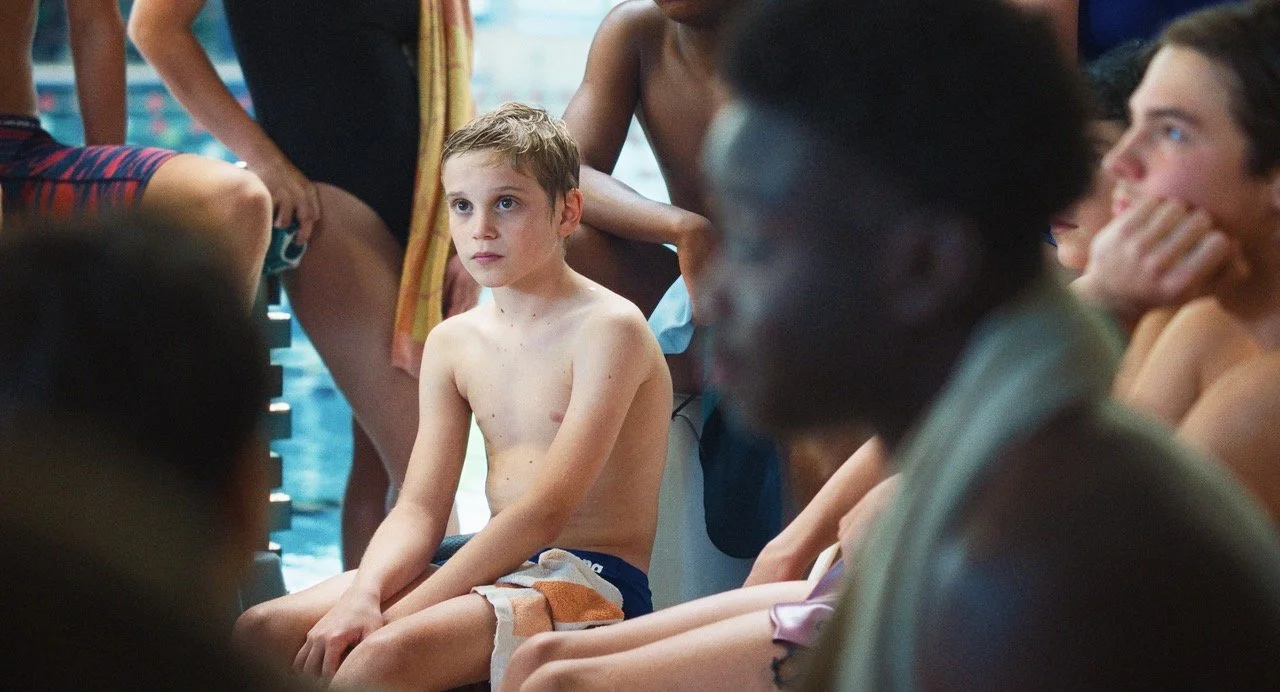
A Family © Jasper Wolf

Veteran award-winning Polish director Agnieszka Holland offers an energetic and generally bright biopic about the enigmatic literary genius Franz Kafka, in Franz. The film contemplates its protagonist, his difficult relationship with his father, and imagines how his legacy might be celebrated in the future. 

Ireland’s Christy is the debut feature from Brendan Canty that has picked up many nominations and awards at this year’s Irish Film and TV Awards for its tender direction and impressive lead performance from Danny Power as the title character – a teenager with a murkily remembered tragic past, who, after he’s kicked out of his latest foster home, returns to Cork to stay with his estranged brother. As he tries to figure out his future, he rediscovers the relationship with his brother and begins to imagine a home among people in a place he might yet grow to know and love.  
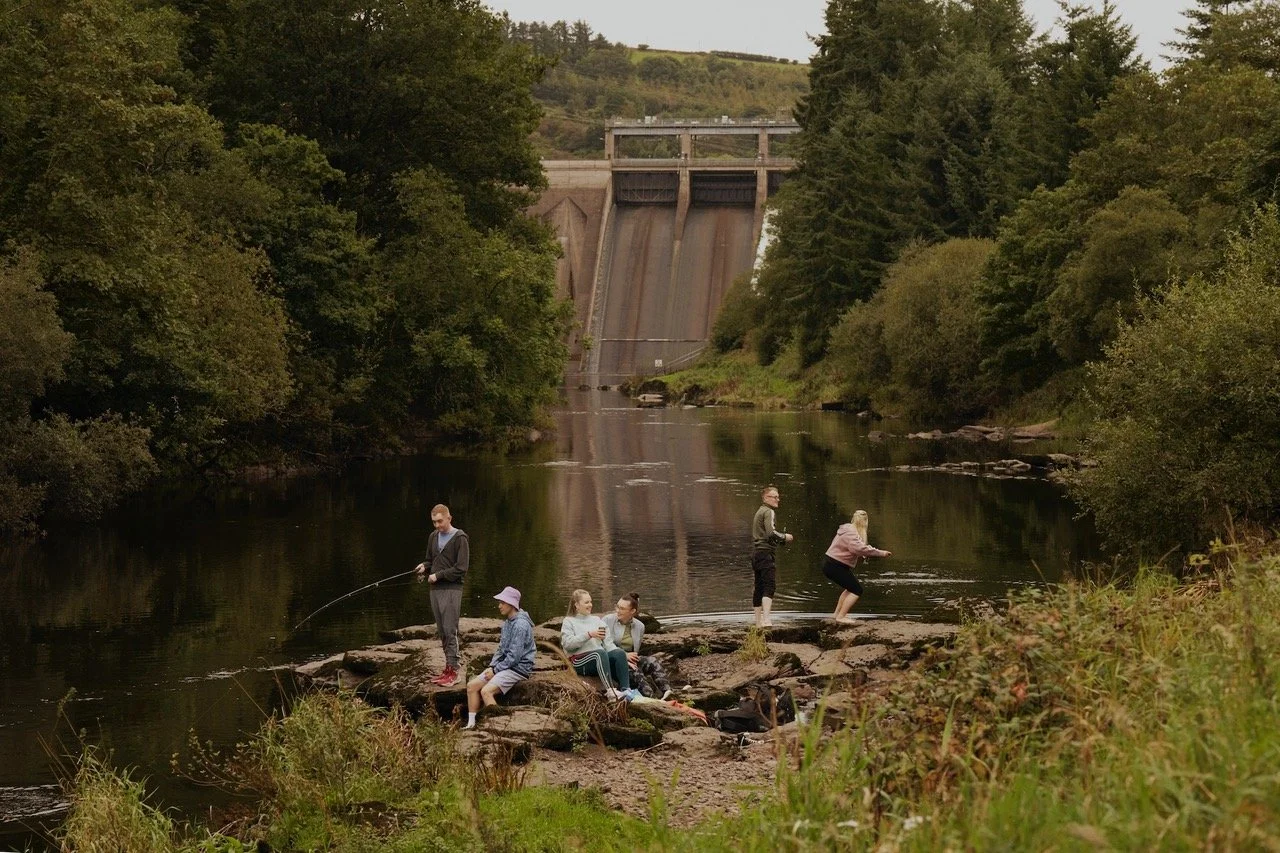
Christy

The extraordinary and original, Aquí (Portugal) is director Tiago Guedes’ ambitious, epic and suitably enigmatic adaptation of the Jesus trilogy of novels by South African Nobel laureate J.M. Coetzee. It stays true to its source material’s humanist hopes, despairs and probing of the eternal philosophical questions that keep families and societies eternally (and anxiously) moving onward. 

The festival pays tribute to the tireless dedication and vision of a former co-director of the festival Peter Rorvik, who sadly passed away earlier this year. Peter was a passionate supporter of independent films, and nurtured a generation of film lovers and filmmakers across South Africa and beyond for decades. 

The 13th European Union Film Festival South Africa takes place from September 17 to 27, 2026 in Johannesburg, Cape Town, Durban and Pretoria.

For the full programme and schedule follow on social media or go to www.eurofilmfest.co.za

African-European Co-Pro to open European Film Festival in SA

The celebratory 10th edition of the European Film Festival in South Africa, opens with the African–European film GOODBYE JULIA, set in Sudan, at Ster-Kinekor’s The Zone in Rosebank, Johannesburg on 12 October.

Goodbye Julia directed by Mohamed Kordofani

GOODBYE JULIA is a remarkable six-country coproduction between Sudan, Egypt, Germany, France, Sweden and Saudi-Arabia, and the first film from Sudan ever to be presented in the Un Certain Regard competition at the Cannes Film Festival, where it won the prestigious Prix de la Liberté (Freedom Award).   

The film tells the story of two women who represent the complicated relationship and differences between northern and southern Sudanese communities. The multi-layered narrative takes place in Khartoum during the last years of Sudan as a united country, shortly before the 2011 separation of South Sudan.  

Supported by superb cinematography by South African Pierre de Villiers and a moving musical score by Sudanese musician Mazin Hamid recorded during ongoing clashes between the military and civil society in Khartoum, this is a powerful directorial debut by the largely self-taught filmmaker Mohamed Kordofani.  Pierre de Villiers, will be in attendance at screenings of the film in Johannesburg and Cape Town, and will also present cinematography workshops at film schools in both cities during the festival.

After kicking off the festival on 12 October, GOODBYE JULIA will have subsequent screenings on 22 October at The Labia, Cape Town, and on 21 October at Ster-Kinekor Gateway, Durban. 

African stories

Mother directed by Bulgarian Zornitsa Sophia

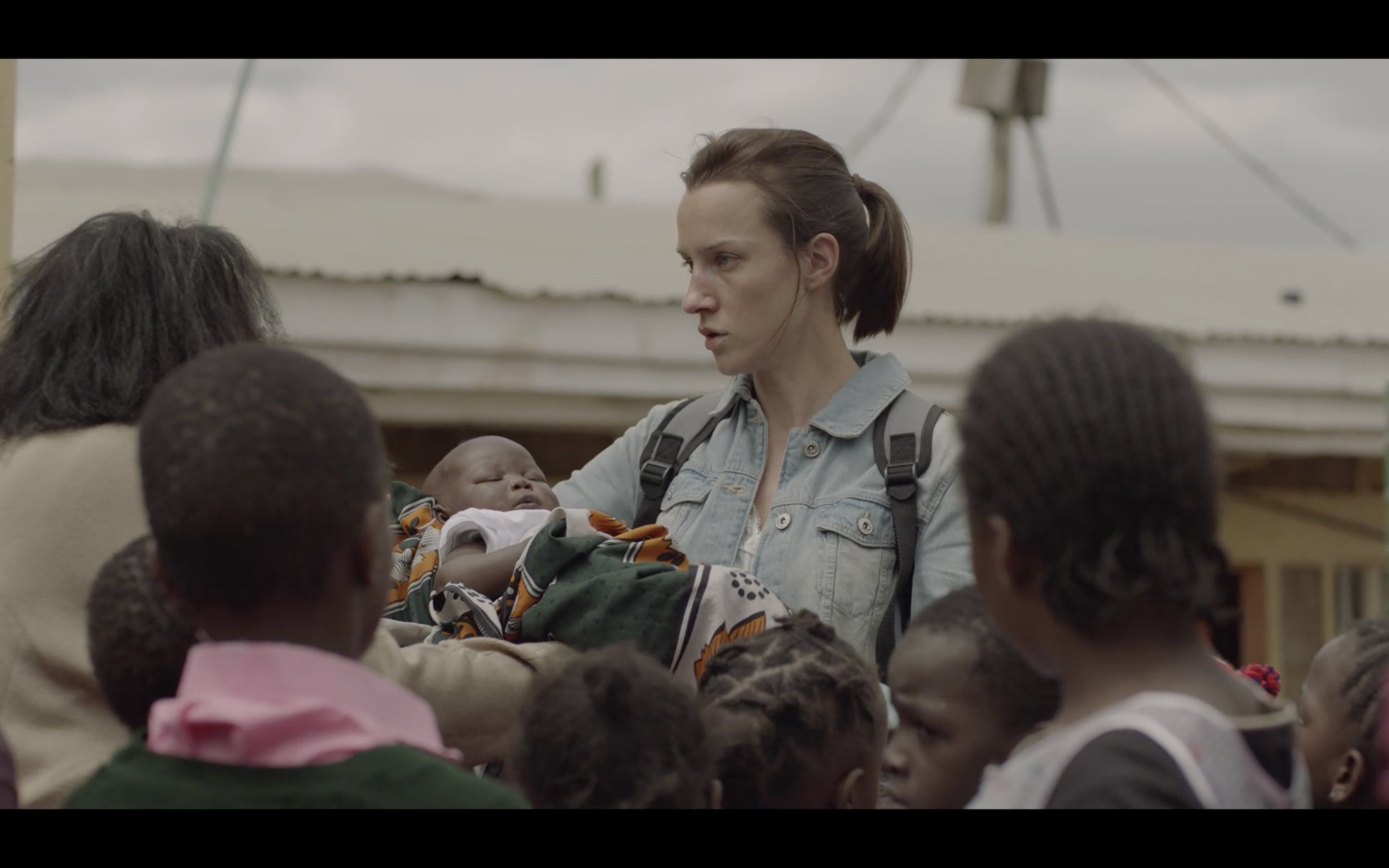
Connecting the festival more closely to the contexts and the continent in which this festival takes place, GOODBYE JULIA is one of three African stories in this year’s festival.  At the heart of the  film MOTHER, directed by Bulgarian Zornitsa Sophia, is the unfolding of the narrative in Kenya, where a theatre director undergoes profound transformation during her experiences at a local orphanage in Kibera, often called one of the biggest slums in Africa.  MOTHER is based on the true story of artist and cultural activist Elena Panyatova.   NAYOLA, directed by José Miguel Ribeiro, is a thrilling animated story about three generations of women plagued by the long civil war in Angola.  Based on a play by José Eduardo Agualusa and Mia Couto, NAYOLA is bold and thrilling storytelling alive with vivid eye-candy animation! 

Nayola irected by José Miguel Ribeiro

The European Film Festival runs from 12-22 October, with screenings in cinemas, as well as online. Visit www.eurofilmfest.co.za for the film synopses, trailers and screening schedules.

The European Film Festival 2023 is a partnership project of the Delegation of the European Union to South Africa; the participating European embassies of Belgium, Bulgaria, Czech Republic, Denmark, France, Italy, The Netherlands, Poland, Portugal, Romania, Spain, Switzerland and Ukraine; and the cultural agencies of British Council, Camoes Institute of Portugal, Diplomatic Representation of Flanders, French Institute in South Africa, Goethe-Institut and Italian Cultural Institute.  The festival is organised in cooperation with Cineuropa, supported by Ster Kinekor, The Labia and coordinated by Creative WorkZone.

-ends

10th European Film Festival Programme 12-22 October 2023

Film Line-up for 10th European Film Festival

The European Film Festival in South Africa celebrates its 10th edition from 12-22 October with an inspired lineup of 16 new award-winning films screening in Johannesburg and Cape Town, with a special programme in Durban.  Featured countries are Belgium, Bulgaria, Czech Republic, Denmark, France, Germany, Italy, Netherlands, Poland, Portugal, Romania, Spain, Switzerland, United Kingdom and Ukraine, while the festival also features an African-European co-production film, set in Sudan.

Filmmaker engagements, community centre and schools’ programmes will deepen the festival’s reach, while the countrywide online programme of free screenings will run concurrently during the festival.  The festival will also present events at the Alliance Française in Eswatini (20-22 October) and Lesotho (20 – 29 October). 

The European Union’s Ambassador to South Africa, Sandra Kramer, said that “not only does the 2023 European Film Festival showcase some of the most acclaimed productions to have emerged from the film industries in the European Union and Europe, but the films provide thought-provoking perspectives on issues that are just as meaningful to South Africans as they are to people everywhere. We hope this festival will strengthen connections between Europe and South Africa, and its immediate neighbours, Eswatini and Lesotho. May this festival stimulate discussion and new ideas around our shared experiences, hopes and dreams, as together we face our ever-changing world.”

Transition

The festival theme this year is Transition, as the films offer a cinematic reflection of the transition people go through during our turbulent and fast-moving times.

As festival co-director and curator Peter Rorvik explains; “There can be numerous transitional moments in a lifetime; awakenings, re-awakenings, renewal of purpose, our self-understanding, of who we are, and our direction in life.  Transition is, in essence, a response to change, a process of managing change, or making a change. 

All these elements of transition feature prominently in the line-up of films on offer this year.  The illuminating power of cinema transports us deeply into these experiences, milestones, growth points and turning points, which offer resonance with our own life journeys, and the shared life journeys of those around us”.

The Films

The festival includes two films which were jointly awarded the Grand Jury Prize at the Cannes Film Festival in 2022: 

From Italy

Set in the breath-taking Italian Alps, THE EIGHT MOUNTAINS is a compelling character-driven drama directed by Charlotte Vandermeersch and Felix van Groeningen.  Gorgeously shot, this film offers a deeply textured glimpse into the bonds of friendship, the journeys of self-discovery, and the relationship between humans and nature.


From Poland

The Oscar-nominated film EO, directed by the legendary Jerzy Skolimowski, is an innovatively-conceived road movie with a difference; it is seen almost entirely from a donkey’s perspective.  This beguiling and often-harrowing tale of a donkey is both thrilling and empathetic, compelling us to see the world differently.         

 There are three films fresh from the most recent Cannes festival in May 2023:

 From France

ANATOMY OF A FALL, astonishingly well-written and directed by Justine Triet, won the top prize at Cannes, the Palm d’Or.  This part thorny family story, part whodunit, part courtroom drama puts marital power dynamics under the microscope.  As Time Out magazine says;  ‘This is a thriller of real psychological, intellectual and emotional depth.

From the United Kingdom

In THE OLD OAK, veteran filmmaker Ken Loach has made an incisive social drama about an English village where there is anger, resentment and a lack of hope since the closing of the local mine.  What more could go wrong for the world-weary townsfolk?  That’s when the Syrian refugees move in….this will be a time of transition for everybody!

African-European collaboration in Sudan

GOODBYE JULIA is a six-country coproduction film (Sudan, Egypt, Germany, France, Sweden and Saudi-Arabia) and winner of the Cannes Film Festival’s prestigious Freedom Award.  Directed by  Mohamed Kordofani, GOODBYE JULIA tells of the friendship between two women who represent the complicated relationship and differences between northern and southern Sudanese communities at a time of intense upheaval and transition. South African cinematographer for the film, Pierre de Villiers, will present workshops at the festival.

Discovering and affirming one’s identity is not a straight-forward process for all., especially in relation to gender norms. As evidenced by the following two films, this is all the more challenging for the very young who face enormous pressures as they attempt to find their place in the world, and within themselves:

From Spain

20,000 SPECIES OF BEES by Estibaliz Urresola Solaguren focuses on an eight-year-old child who asks “How come everyone knows who they are and I don’t?”  Beautifully delivered, this richly textured chronicle of an 8-year-old’s gradual transitioning, and the effect it has on a family, is ultimately about tolerance and acceptance.

From Belgium

The Oscar nominated CLOSE by Lukas Dhont has been winning major awards for its sensitive portrayal of how the pressures of masculinity shatter the innocent friendship of two 13-year old boys.  CLOSE is an emotionally transformative portrait of the intersection of friendship and love, identity and independence, heartbreak and healing, and of necessary transition.

Two films about responding to the unforeseen circumstances that sometimes surprise and challenge us:

 From the Netherlands

In Martijn de Jong’s NARCOSIS, an adventurous, eccentric and fun father fails to resurface during a cave-dive, and we see how his family responds in unique but very relatable ways as they transition to new lives.  This deeply touching story about love, loss and acceptance won four Golden Calf awards at the Netherlands Film Festival and was the Dutch submission to the Academy Awards. 

From Germany

The smallest of decisions has seismic repercussions in THE TEACHERS’ LOUNGE.  When a young teacher decides to investigate theft at her school things escalate dramatically, not how she intends.  İlker Çatak’s film is about a lot of things — conformity, rebellion, racism, optics, and intergenerational mistrust.  The film swept up the top prizes at this year’s German Film Awards, and has just been selected as Germany’s submission for next year’s Oscars.

Coming-of-age processes are integral to making transitions in life: 

 From Denmark

Will a dream dictate life or death?   AS IN HEAVEN, by director Tea Lindeburg, takes place in turn-of-the-century rural Denmark, where a mother goes into a complicated labour, thereby accelerating the growing-up process for 14-year-old Lise, a process that can be bewildering as well as joyful. AS IN HEAVEN highlights woman-centred experiences that remain just as relevant today.

From Switzerland

Barbara Kulcsar’s feel-good comedy GOLDEN YEARS shows that coming-of-age can come at any time.   As a newly retired husband and wife discover, it’s never too late to find the courage to make a change in life.   And growing old is certainly not for sissies!  GOLDEN YEARS was a breakout hit at the Swiss box office, ranking as the most successful Swiss feature film since the beginning of the pandemic.

New participants Bulgaria and Romania have films in the festival for the first time this year:

From Romania

MIKADO, directed by Emanuel Pârvu, is a fast-paced drama about power dynamics in a Romanian family.  Teenager Magda offers her expensive necklace to a sick child, thereby creating conflict with her controlling father.  A complicated situation develops where every action has consequences…

From Bulgaria

Inspired by a true and transformative story, Zornitsa Sophia’s MOTHER starts out with a theatre director in Bulgaria struggling to come to terms with her inability to have a child, and progresses to her discovering a new and culturally challenging kind of motherhood in Kenya. The director Zornitsa Sophia will attend the festival accompanied by the remarkable artist and cultural activist Elena Panayotova, on whom the story is based.

Adding an exciting new dimension to the festival are two extraordinary animations: 

From Ukraine

Carving a path to peace and a future beyond war, MAVKA – THE FOREST SONG, by directors Oleh Malamuzh and Oleksandra Ruban, is the highest-grossing Ukrainian film ever. Poignant and uplifting, this animated story touches on themes of love, trust, and the coexistence of two worlds: people and forest creatures, and the transformative power of music!

From Portugal

José Miguel Ribeiro’s film NAYOLA brings us much closer to home. A painful secret, a reckless search, a combat rap-song, a suspended love, an initiatory journey - NAYOLA is about three generations of women plagued by the long civil war in Angola.  Based on a play by José Eduardo Agualusa and Mia Couto, NAYOLA is bold and thrilling storytelling alive with eye-candy animation! 

Finally, from the Czech Republic

Petr Václav’s IL BOEMO (THE BOHEMIAN) is a special treat for music lovers.  Prolific 18th century composer Josef Mysliveček was admired by Mozart, but forgotten by history.  This biopic includes Mysliveček’s romantic dalliances, revealing backstage intrigue, and the colourful lifestyles of the era.  Centrally of course, there is glorious music featuring some of the world's leading operatic soloists performing with the renowned Baroque Orchestra Collegium 1704. 

 The Screenings

Screenings take place at Ster-Kinekor’s The Zone in Johannesburg, and The Labia in Cape Town. Each film will screen  once. Ster-Kinekor Gateway in Durban will present a limited programme of films not available in the online streaming.  Five of the most recent films will only show in cinemas: ANATOMY OF A FALL, GOODBYE JULIA , THE OLD OAK, THE TEACHERS LOUNGE and MAVKA – THE FOREST SONG.   11 films can be viewed for free online. Visit www.eurofilmfest.co.za for more information.

The European Film Festival 2023 is a partnership project of the European Union National Institutes for Culture (EUNIC), the Delegation of the European Union to South Africa and the participating European embassies of Belgium, Bulgaria, The Czech Republic, Denmark, France, Italy, The Netherlands, Poland, Portugal, Romania, Spain, Switzerland and Ukraine; as well as the cultural agencies of British Council, Camoes Institute of Portugal, Diplomatic Representation of Flanders, French Institute in South Africa, Goethe-Institut and Italian Cultural Institute.

The festival is organised in cooperation with Cineuropa, supported by Ster Kinekor, The Labia and coordinated by Creative WorkZone.

The special programmes in Eswatini and Lesotho are organised in partnership with the Delegations of the European Union to the Kingdoms of Eswatini and Lesotho respectively, and the Alliance française in Maseru and Mbabane.


-ends