This Tourism Month, Verified Impact - the sustainability standard behind a Southern African pilot programme helping tourism properties get a clear picture of their carbon footprint - is using real tourism data to show why measuring carbon footprints in tourism matters, why comparison matters even more, and why keeping wild places wild belongs in the climate conversation.
When one thinks about the climate impact of tourism, the conversation usually begins with emissions: flights, vehicles, electricity, generators and fuel. That does matter. But it is only half the story.

GweGwe Beach Lodge
This, according to Duncan Pritchard, Director of ETC Africa, Verified Impact's carbon measurement and verification partner: "Across Southern Africa, tourism provides an economic reason for vast areas of natural habitat to remain intact. Those landscapes are not simply beautiful places to visit. Their soils and vegetation store carbon, support biodiversity, protect water systems and sustain ecological processes that disappear when natural land is transformed. Wild areas are climate infrastructure."
Tourism has two carbon stories to understand: the emissions created by operating tourism businesses, and the invaluable carbon sinks that tourism helps give economic value to protecting.

In Toto Retreat
Verified Impact which is the tourism specific, local carbon footprint standard being developed through the kimkim Climate Action Pilot Programme, delivered in partnership with kimkim, the Wilderness Leadership School, ETC Africa and The Eco Travel Boutique. The project is putting verifiable data behind tourism sustainability claims, while helping the industry better articulate the economic value of responsible, thoughtful tourism operations. Kimkim is a US-based travel company that joined the 1% for the Planet in 2025, pledging at least 1% of its annual revenue to environmental causes while continuing to fund climate related projects.
"A carbon footprint is a starting point, not an answer," explains Pritchard. “Is 12 kg CO₂e per bed night good? Could it be 9? Why is another lodge at 25? Is that because it is less efficient, or because it relies on a carbon-intensive electricity grid? Does its remote location mean greater generator use or longer supply chains? Are game drives, laundry, food or low occupancy pushing emissions higher? Without context and comparison, carbon accounting gives you numbers. Benchmarking turns those numbers into useful information."

POD Camps Bay
Verified Impact benchmarks properties against comparable African tourism operations rather than international averages that often bear little resemblance to operating realities on the continent. In doing so, it is building one of the most meaningful datasets yet on the carbon performance of African ecotourism, creating a clearer picture of what good performance actually looks like in an African context
According to Pritchard, the patterns are already emerging, for example, grid-connected properties in the current dataset are averaging around 3.6 times the carbon emissions per bed night of comparable off-grid properties, largely because of the carbon intensity of South Africa's electricity supply.
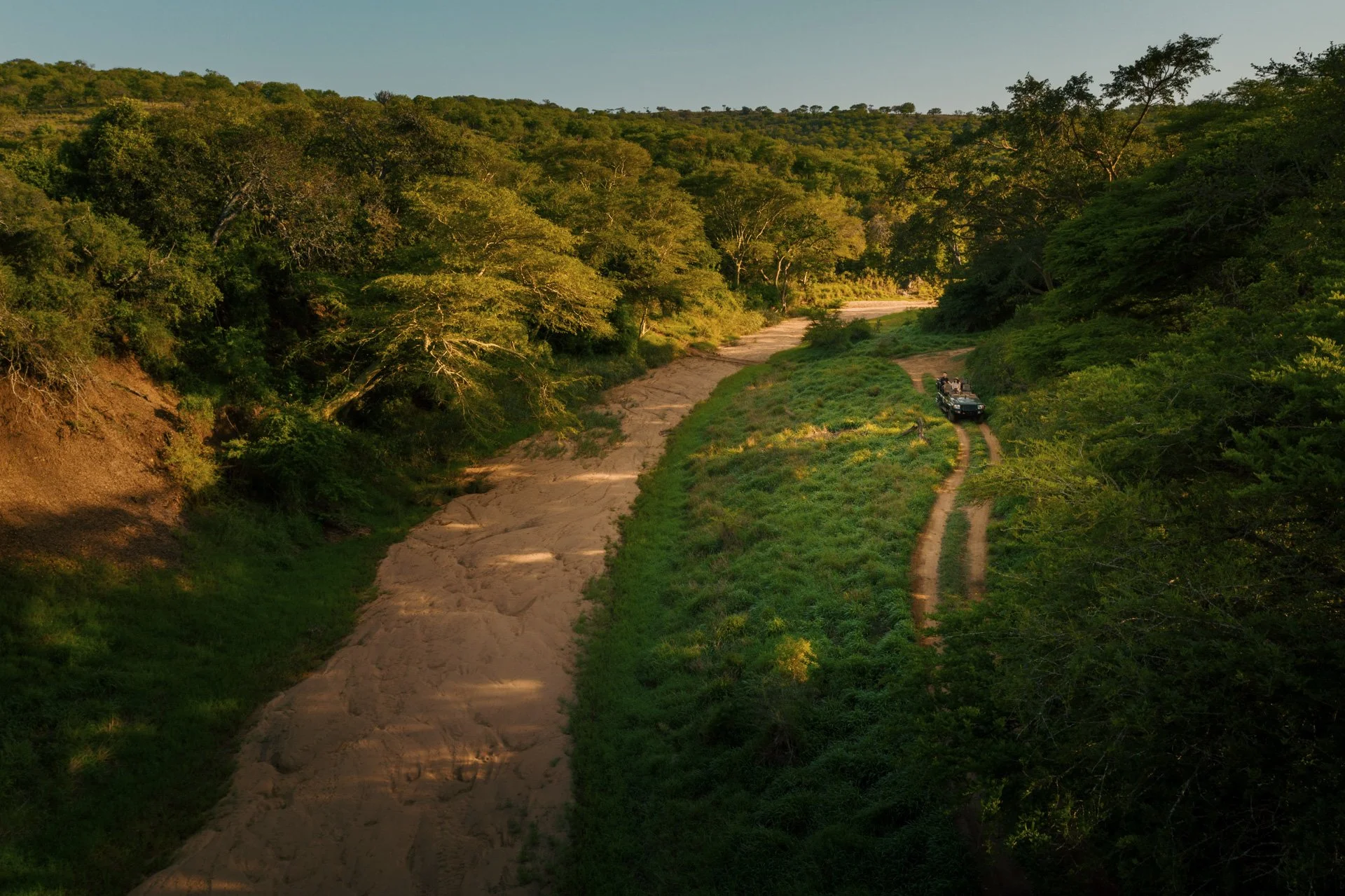
Rhino Sands Safari Lodge
In safari operations, one of the largest operational opportunities can be something far less obvious: how game drives are managed. Emissions from game viewing vehicles tend to be one of the highest emissions sources at a lodge -not laundry, not the kitchen, the game drive.
The data is also revealing what Verified Impact calls a "behavioural dividend": emissions reductions that require little or no capital investment. Better energy optimisation, vehicle utilisation and basic operational discipline can reduce emissions before a property spends a rand on new technology.
“This is precisely why comparison matters. Knowing that diesel represents 30% of a lodge’s footprint tells you something. Knowing that its diesel use per bed night is twice that of comparable lodges tells you where to start asking questions. That is when carbon data becomes management data.”
But in many landscapes, tourism provides something conservation cannot survive without: economic value attached to keeping land wild. A functioning lodge creates jobs, purchases local goods and services, pays conservation and concession costs, and generates revenue from landscapes whose value depends upon them remaining intact. That makes reducing tourism's own operational footprint important for a much bigger reason.
“The goal is not simply to make tourism lower-carbon. It is to maximise the conservation and economic value tourism creates while minimising the carbon footprint required to create it.” says Pritchard.
Tourism Month traditionally celebrates arrivals, jobs, visitor spend and economic contribution. Verified Impact believes another measure increasingly belongs alongside them: how efficiently tourism creates that value environmentally.
“A carbon footprint shouldn’t just be a number in a report. It should tell us where we can improve, where we’re performing well, and ultimately how tourism can become a stronger force for protecting the places it depends on.” Says Pritchard
For more information about Verified Impact go to: https://etc-africa.co.za/verified-impact