The Kimkim Climate Action Pilot Programme, currently engaging 25 tourism properties across South Africa is challenging the dominant climate crisis narrative around travel, positioning tourism not as the problem, but as a vital part of the solution.
The programme aims to empower small to medium accommodation providers to embed practical, measurable sustainability practices into their operations, turning travel into a meaningful force for conservation, community support, and environmental awareness.
Funded by Kimkim, a US-based travel company that helps travelers plan authentic, personalized trips around the world, the programme is implemented by the globally renowned Wilderness Leadership School, with technical expertise from ETC Africa, a leader in tourism related carbon footprint management and market access via Johannesburg-based The Eco Travel Boutique.
“At a time when climate related conversations often centre on guilt and reduction, this programme offers a different perspective,” says Duncan Pritchard, Director of ETC Africa. “The greatest environmental challenge is not travel, it is disconnection. Travel connects, and reconnects, people to the natural world, and when guests have the opportunity to see wildlife, engage meaningfully with local communities, or simply stand in a forest, that’s when we see a shift. That emotional connection is one of the most underestimated drivers of conservation action today.”
“The loudest voices in the climate arena often make travellers feel guilty about what they are not doing, rather than feel empowered about what they can do. This is a risk to the tourism economy, a vital driver of sustainable livelihoods and conservation spaces worldwide,” he adds. “People protect what they love and they only love what they’ve experienced.”
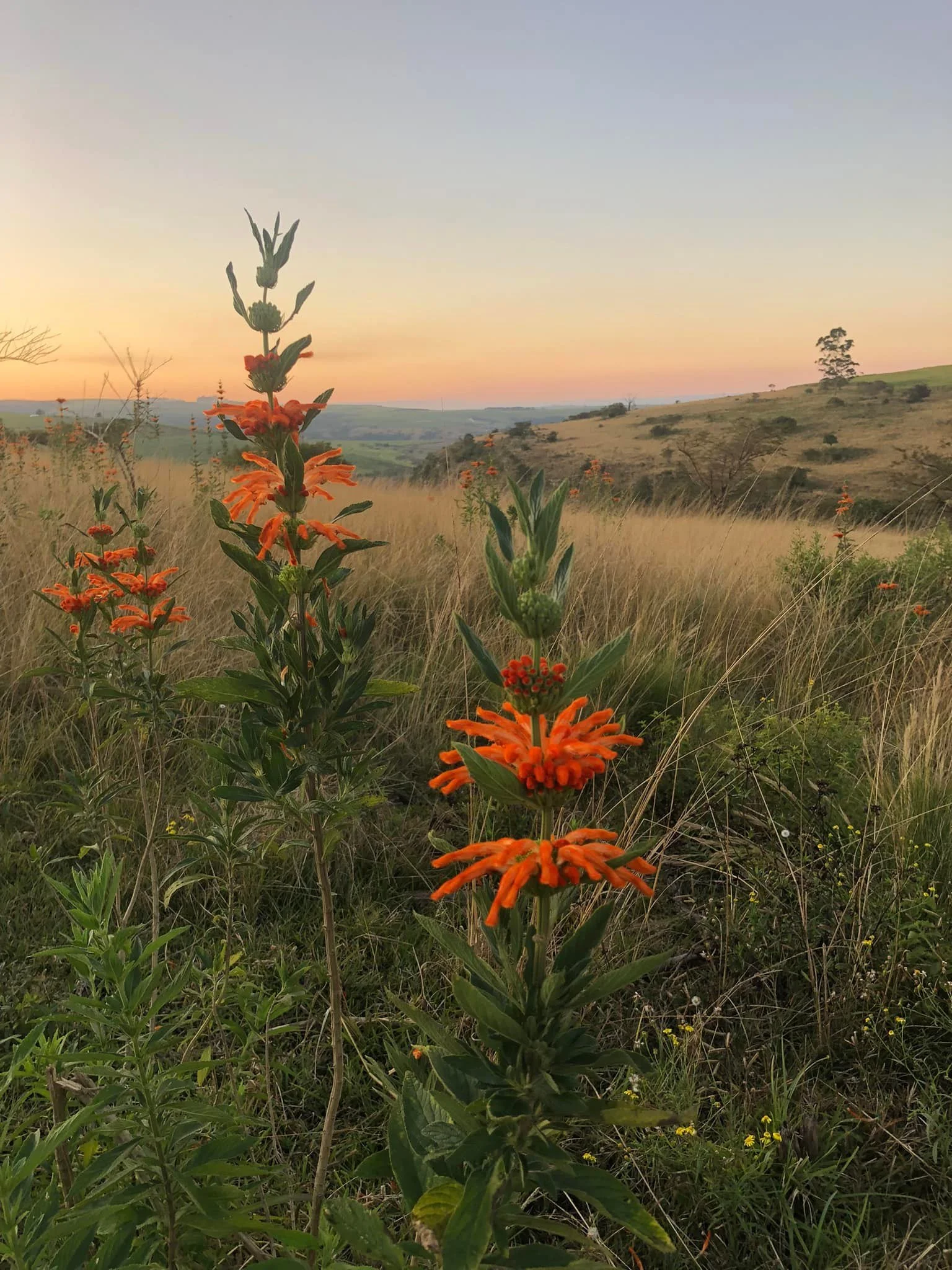
The science underscores the stakes. Intact African ecosystems store substantial carbon, typically around 30 to 50 tonnes per hectare in savannah and bushveld, and well over 150 tonnes per hectare in tropical forests, with even greater amounts held in soils. These landscapes are not scenic backdrops; they are functioning climate infrastructure..
"Our goal, with every traveler, is to help them connect to the community and culture of the destination," says Kaelyn Harris-Vincent, Brand Marketing at Kimkim and lead of the Kimkim Climate Initiative. "When tourism is done with intention and thoughtfulness, it really can be a force for good. The question isn't whether we should travel, but whether our travel makes the places we visit stronger and more resilient. Ecotourism allows travelers to see these places and have an impact at the same time. This programme ensures every stay contributes to something bigger than the trip itself."
Funded through Kimkim's Climate Initiative, the programme is offered at no cost to participating properties. The programme helps properties establish their baseline carbon footprint, benchmark against peers, and build capacity through workshops and project design. This becomes the launchpad for identifying and implementing projects that reduce emissions, protect natural carbon sinks and create lasting value for conservation and communities alike. By the end of the year, participating properties receive Verified Impact branding and guest-facing marketing assets, enabling them to communicate their carbon footprint journey clearly and confidently.
Carbon footprinting has become the global standard for measuring environmental impact, not because carbon tells the whole story, but because it provides a consistent, quantifiable baseline against which any operation can assess its efficiency and track genuine progress. For tourism businesses, it transforms vague sustainability intentions into credible, comparable data.
“What matters is that a carbon footprint is used as a management and learning tool. This programme gives travellers something more valuable than an offset: the confidence that the places they choose are managing their impact and turning every visit into a real contribution to wild places and communities,” says Esther Ruempol from The Eco Travel Boutique. “Rather than asking travellers to offset guilt, this programme reframes the conversation as an invitation to be part of something bigger.”
Participants gain a comprehensive support package that makes sustainability achievable and meaningful, helping properties turn their carbon footprint into a force for good, tell their story with confidence, benchmark against best practice, display verified credentials, and join a growing movement redefining what responsible tourism looks like.
About the Programme
The Kimkim Climate Action Pilot Programme invites accommodation providers across South Africa to step into a new narrative, one where tourism actively contributes to conservation, community growth, and environmental resilience. The programme is offered at no cost to qualifying properties.
For more information on participating in the programme visit: www.verifiedtourismimpact.org or email verifiedimpact@etc-africa.com

